







Replace aging, drafty, or poorly fitted windows with a local Naperville team that helps you choose the right style, material, glass package, and installation method for Chicagoland weather.
Opal helps Chicagoland homeowners choose replacement windows around the condition of the existing frames, how each room is used, and the exterior materials around the opening.
Window problems are usually felt before they are seen. Rooms get drafty, sashes stop moving cleanly, and the sill or trim starts telling the story.
Cold air near a closed window, or a room that never holds temperature, usually points to a failed seal, a poor original fit, or single-pane glass. In a climate that swings from near 0°F to 90°F-plus, those leaks show up on every energy bill.
Moisture trapped between the panes means the insulated glass seal has failed. The fog stays even after you clean both sides, because the unit has lost the argon fill that was doing the insulating.
Sashes that fight you, swollen frames, or a window that will not lock cleanly are signs the unit has moved past its service life. Hard operation is also a safety issue for bedroom egress windows.
Staining, soft wood, or rot at the sill usually means the problem has moved past the glass and into the opening. Left alone, water at the sill turns a window swap into a framing repair.
If traffic, mowers, and neighborhood noise carry through closed windows, the glass package is not doing its job. Laminated and multi-pane glass cut sound noticeably on busier suburban streets.
Windows set the face of the house. New units sharpen sightlines, balance the exterior color, and lift first impressions, whether you are staying put or planning to sell.
The opening tells the installer whether the project can use an insert replacement or needs full-frame work. Opal confirms which one your home needs during the in-home measurement, before anything is ordered.
A new window fits into your existing, structurally sound frame. It is the most common path for homes dealing with drafts, fogged glass, or dated styling, and it keeps the project faster and less invasive.
Best for: solid existing frames, comfort and energy upgrades
The frame, trim, and flashing come out and the opening is rebuilt from the rough opening forward. It lets the crew re-insulate, air-seal, and re-flash, the details that matter most in a Climate Zone 5A winter.
Best for: rotted or damaged frames, remodels, new openings
Frame condition decides the path. A sound frame usually points to insert replacement. Rot, water staining, or a changed opening points to full-frame installation, and the measurement settles it.
Best for: a clear recommendation before you order
Style affects ventilation, light, cleaning, furniture placement, and how the window looks from the street. Start with the four most-requested styles, then compare specialty shapes below.
Side-hinged and crank-operated, casements seal tightly when closed, which makes them one of the best-sealing styles for cold Chicago winters.
Two operable sashes, classic proportions, and tilt-in cleaning from inside. The most common style on Chicagoland homes, and it fits nearly every elevation.

Sashes glide side to side for wide views and easy operation, with no crank to maintain. A practical fit for wider openings and spots above a counter.
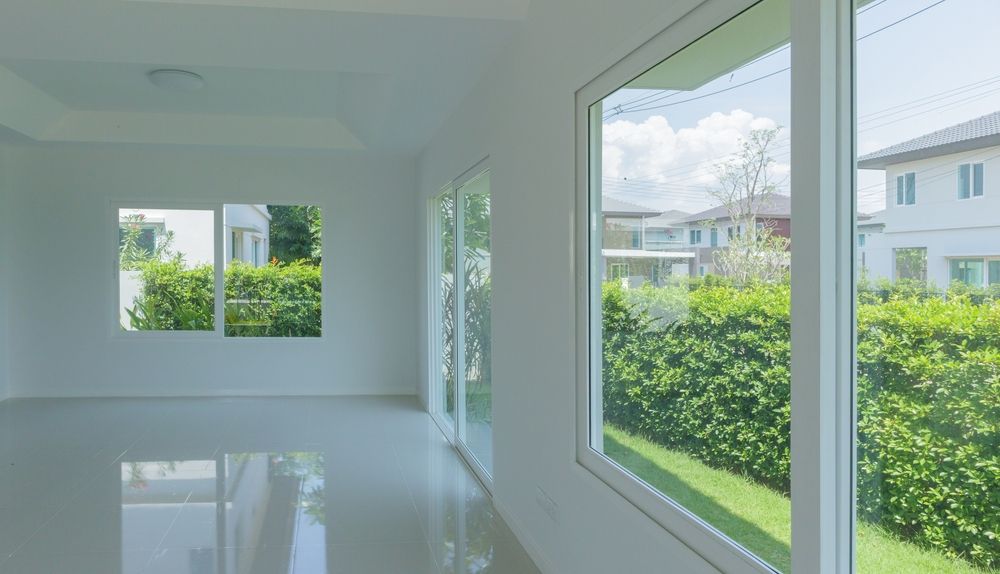
Fixed glass sized for maximum daylight and clean sightlines. Picture windows pair well with operable units on either side to keep airflow in the room.
Accent shapes and custom layouts for rooms that need a deeper sill, a wider view, or a more tailored exterior look.
Compare style, placement, glass, and frame material together before choosing the final package for each opening.
These shapes solve for a specific need, from a deeper kitchen sill to a wider projected view. Compare them before narrowing the final scope.
Opal works with Andersen, Kolbe, and ProVia rather than stocking every brand on the market. That keeps the recommendation matched to your home, your openings, and how each room needs to perform.


The best frame depends on the home, the finish you want, the upkeep you prefer, and the glass package behind it. There is no single right material for every opening.

Low-maintenance frames with the strongest price-to-performance for full-home replacement, and they hold up to Chicago freeze-thaw cycles with little upkeep.

Fiberglass expands and contracts at nearly the same rate as the glass it holds, so it resists the seal stress that wide Midwest temperature swings create.

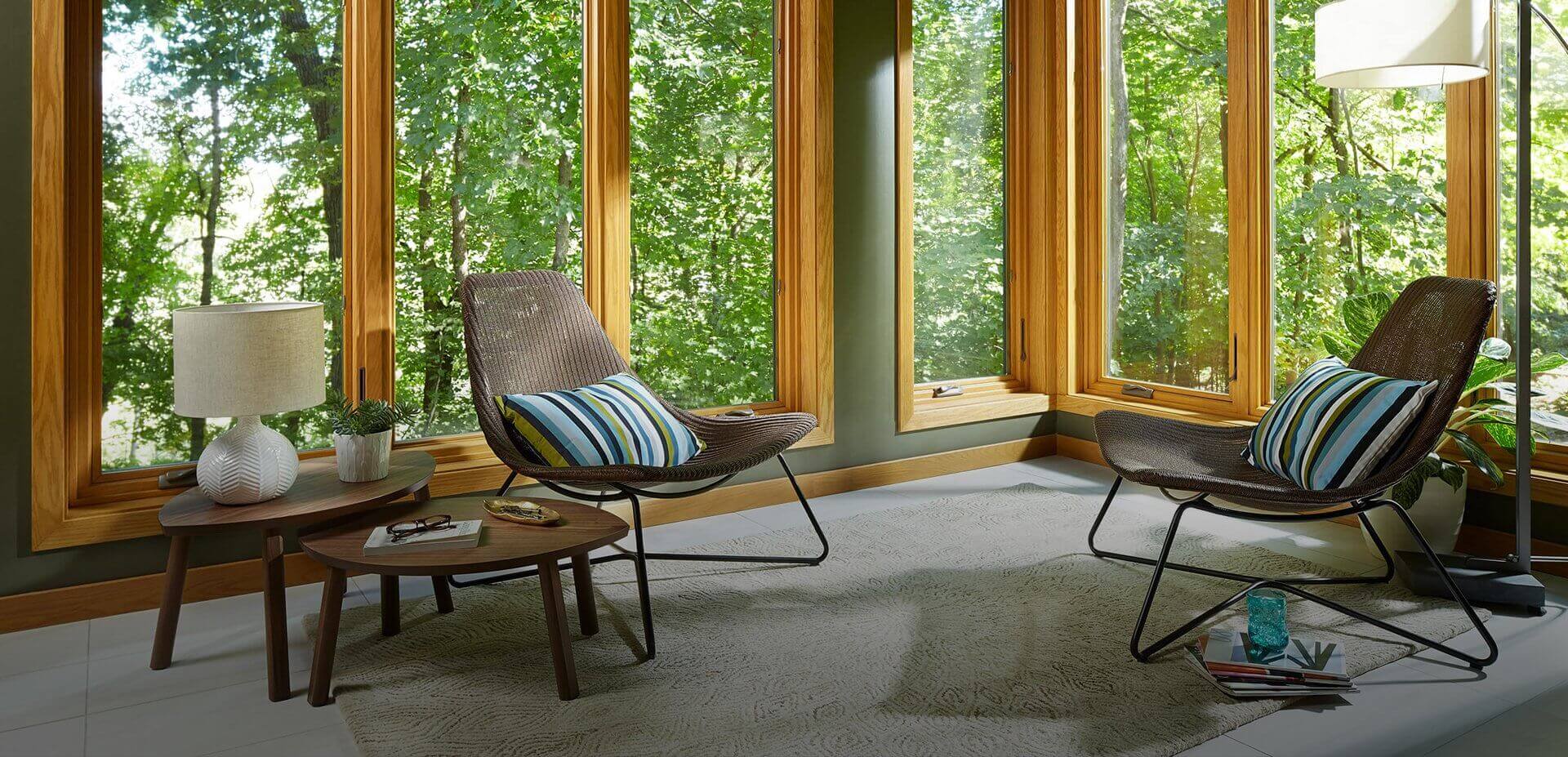
Interior warmth with an aluminum or vinyl exterior cladding that takes the upkeep off the weather side. The choice for custom homes and visible interior trim.

Composite frames blend wood fiber and polymer for the strength of wood with far less upkeep. Andersen Fibrex is the best-known example, at 40 percent reclaimed wood.

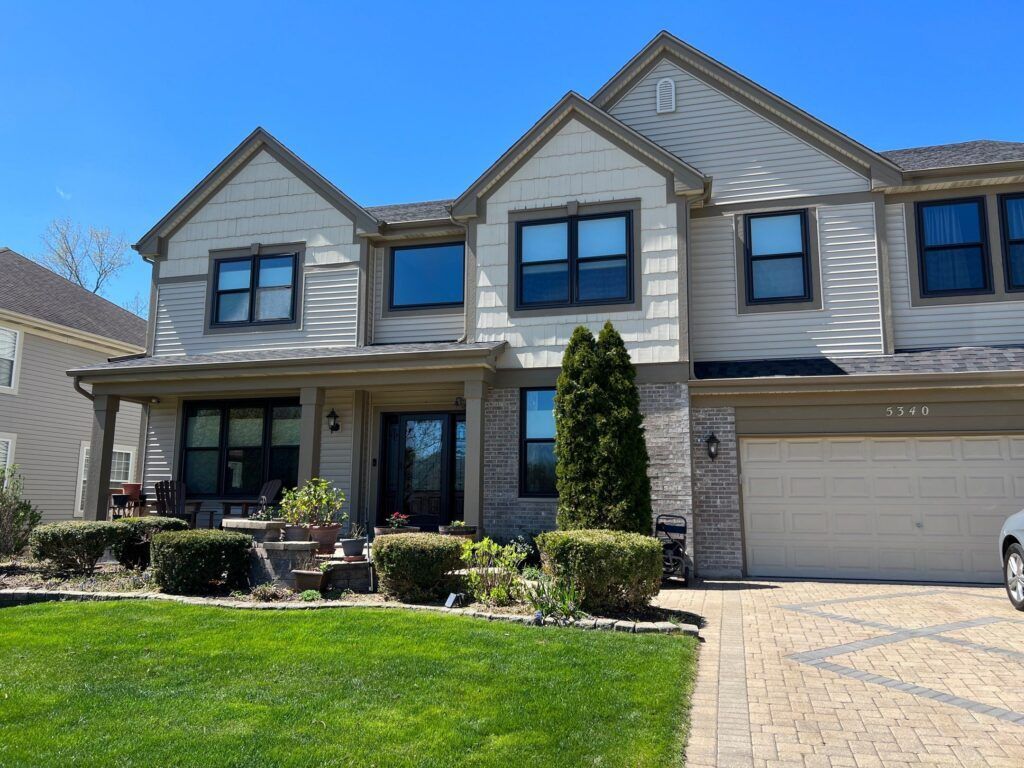
Black exterior finishes sharpen contrast against brick, stone, light siding, and modern farmhouse elevations, one of the fastest-growing looks on Chicagoland homes.

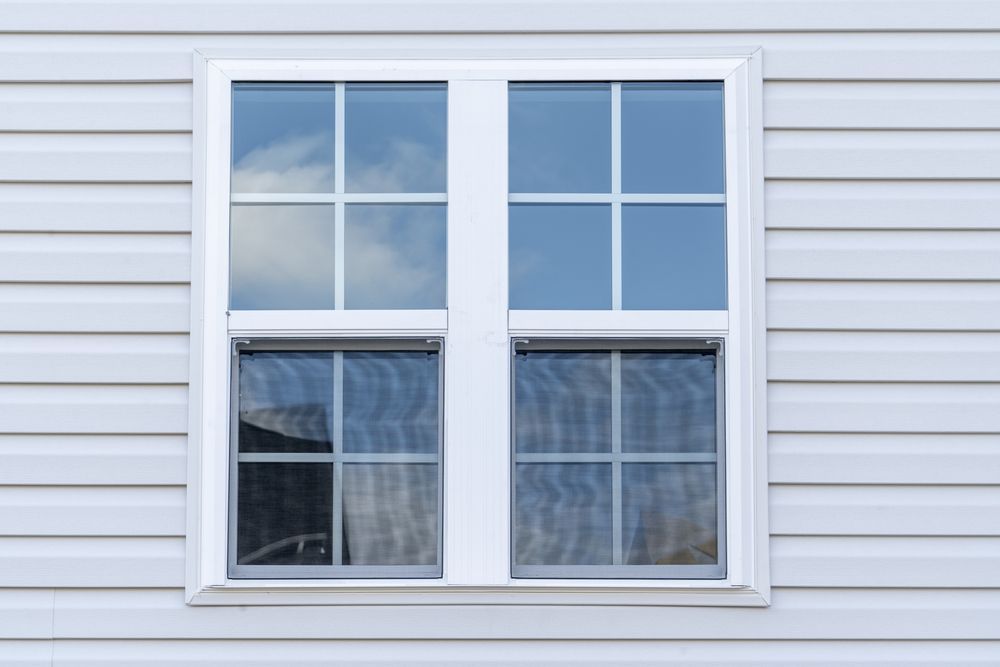
White windows keep the classic, clean look that suits most suburban elevations and pairs easily with light trim and traditional siding.
The better fit depends on the opening, the exterior finish, how much upkeep you want, and how long you plan to stay in the home. The in-home measurement is where that gets decided.
Chicagoland windows need more than a nice frame color. Glass, air seal, condensation control, and installation quality all shape comfort after the work is done.
Some window projects are simple replacements. Others touch opening size, basement egress, historic review, or HOA requirements.
Like-for-like insert replacement often avoids a permit, but a changed opening, a new window, or a rebuilt frame usually needs local approval. Naperville and each surrounding community set their own rules, and Opal handles the permit when a project calls for one.
Any bedroom, and most finished basement living space, needs a window that meets egress code: at least 5.7 square feet of clear opening, 24 inches of clear height, 20 inches of clear width, and a sill no higher than 44 inches. If you are finishing a basement bedroom, the egress window is what makes the room legal.
Naperville’s historic district and some subdivisions can affect exterior color, grille pattern, and visible trim. It is worth a two-minute check before final selections are ordered, and we plan for it in the consultation.
Opal is a family-owned window, door, and siding company based in Naperville, serving the western and southwest suburbs of Chicago since 2003. We are licensed, bonded, and insured, Andersen certified, a Kolbe dealer, a ProVia installer, and a James Hardie Elite Preferred contractor, with an A+ rating from the Better Business Bureau and Best of Houzz awards across five years.
A replacement window depends on the measurement, the product, and the installation detail. When one local company owns all three, the finished window stays aligned with the opening, the exterior trim, and the warranty, and there is one number to call if anything needs attention.
A window project shows its quality in the details you notice once everyone goes home: a clean seal, a level sill, a yard left the way they found it.
“Reasonable price. Highly recommend!”
“Both were very professionally done and a great value!”
“Our house has been transformed and we could not be happier.”
Nearby projects show how different products, grille patterns, colors, and styles change the finished exterior on real local streets.


A Kolbe Forgent installation with a clean modern profile.


Four stages from first visit to final walkthrough. Most installs move quickly on-site; the main timing variable is manufacturing lead time.
Opal reviews the frames, confirms insert versus full-frame, takes exact measurements, and walks through style, brand, and glass options before any quote is finalized.
Because every window is custom-built to your openings, manufacturing typically runs 4 to 10 weeks after the order is confirmed, depending on brand and specification.
Most projects finish on-site in one to two days. The crew protects the interior and cleans up at the end of each day.
The team confirms smooth operation and a clean seal on every unit, finishes cleanup, and registers the warranty so coverage is in place from day one.
Price changes with the number of openings, window style, material, glass package, and the condition of the existing frames.
A quote you can trust names the exact product, the installation method, the warranty, and the timeline. If those are missing, the price is not telling the full story.
The quote should name the brand, line, frame material, glass package, grille pattern, and finish color, not just “premium vinyl.”
The scope should say whether the work is insert or full-frame, and what happens to the trim, flashing, and insulation around the opening.
Look for both the manufacturer product coverage and the installer’s labor coverage, and who you call for each.
A clear plan includes manufacturing lead time, install days, and which openings happen first, not a same-day pressure close.
From its Naperville showroom, Opal installs and replaces windows across DuPage, Will, Kane, Kendall, and Cook counties. In Naperville the team covers every ZIP – 60540, 60563, 60564, 60565, 60566, and 60567 – and works out to the Fox Valley, the southwest corridor, and the North Shore. Find your suburb below.
These guides go deeper on planning, energy performance, and choosing an installer, useful reading before a consultation.

What homeowners need to know before planning a replacement project.

A deeper look at window efficiency choices for current projects.

A pre-consultation checklist for choosing the right installer.
Standard replacement windows run about $900 to $2,400 per window installed, and whole-home projects range from about $9,000 to $75,000 by home size. Final pricing depends on window count, style, frame material, glass package, and the condition of the existing openings.
Insert replacement keeps your existing frame and swaps in a new unit, which is faster and less invasive. Full-frame installation removes the frame, trim, and flashing and rebuilds the opening, which is the right method when the opening is damaged or being changed.
Most installs take one to two days on-site. Manufacturing typically runs 4 to 10 weeks after the order is confirmed, because each window is custom-built to your openings.
Look for a U-factor of 0.22 or lower, an SHGC around 0.17 or higher, and tight air leakage. Casement styles and triple-pane glass seal especially well for cold winters. Opal installs Andersen, Kolbe, and ProVia so the recommendation matches your openings and budget.
New windows support comfort, curb appeal, and buyer confidence, and national Cost vs. Value data has put vinyl window replacement near a 67 percent cost recovery at resale. Actual return varies by home, product, market, and scope.
No. The federal credit for qualifying windows applied only to projects installed through December 31, 2025, and ended for installs after that date. Windows installed in 2025 may still be claimed on a 2025 return using IRS Form 5695. For 2026 projects, plan around energy savings, promotions, and financing.
No. Opal installs windows sourced through its manufacturer partners, Andersen, Kolbe, and ProVia, so the product, the installation standard, and the warranty stay under one accountable team.
Yes. The Naperville showroom lets you see and operate full-size windows, styles, materials, and finishes, before you make a final selection.
Bring the window count, a few photos, and the rooms that feel drafty or hard to use. Opal turns that into a measured plan and a no-pressure estimate.