Lower upkeep
Only high-quality materials from trusted manufacturers when handling siding installation
Reduce Paint-Related Work
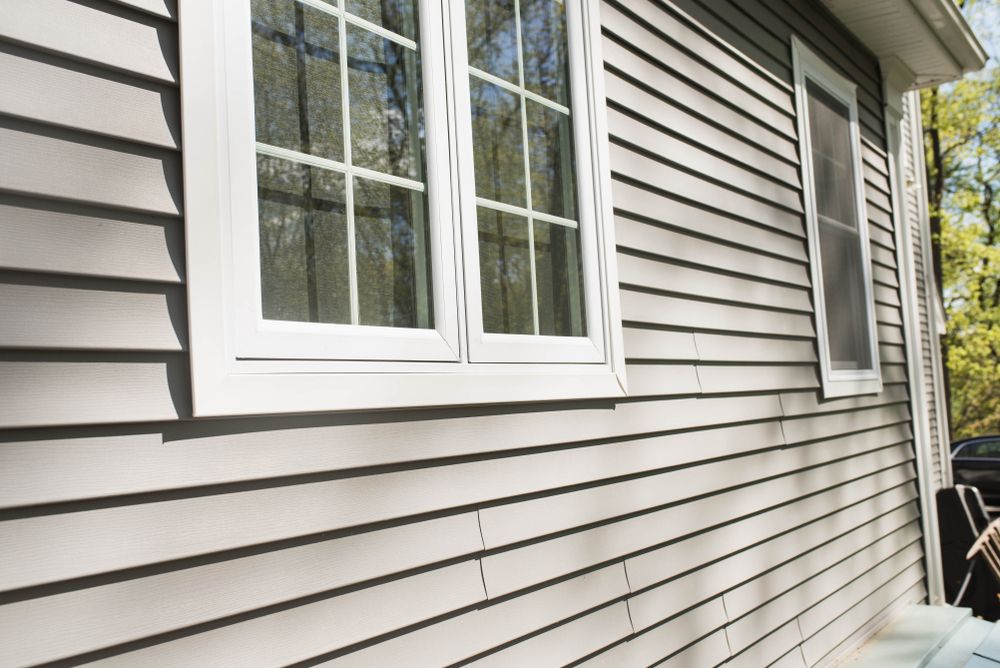
Vinyl siding is selected in a finished color and does not need routine painting.
Plan windows, doors, siding, and gutters around the way your home looks, feels, opens, and protects itself from the weather.
Start with the material path
Opal helps Naperville and Chicagoland homeowners plan vinyl siding around color, profile, insulated options, exterior prep, trim details, and installation scope before work begins.
Why vinyl
Vinyl works best when it is chosen honestly: practical upkeep, accessible design options, and efficient project planning, balanced against product quality, wall condition, and cold-weather fit.
Lower upkeep
Only high-quality materials from trusted manufacturers when handling siding installation
Vinyl siding is selected in a finished color and does not need routine painting.
Budget-conscious planning
Vinyl is often selected for a value-focused exterior refresh when the scope, prep, and options are clearly reviewed.
Color range
Only high-quality materials from trusted manufacturers when handling siding installation
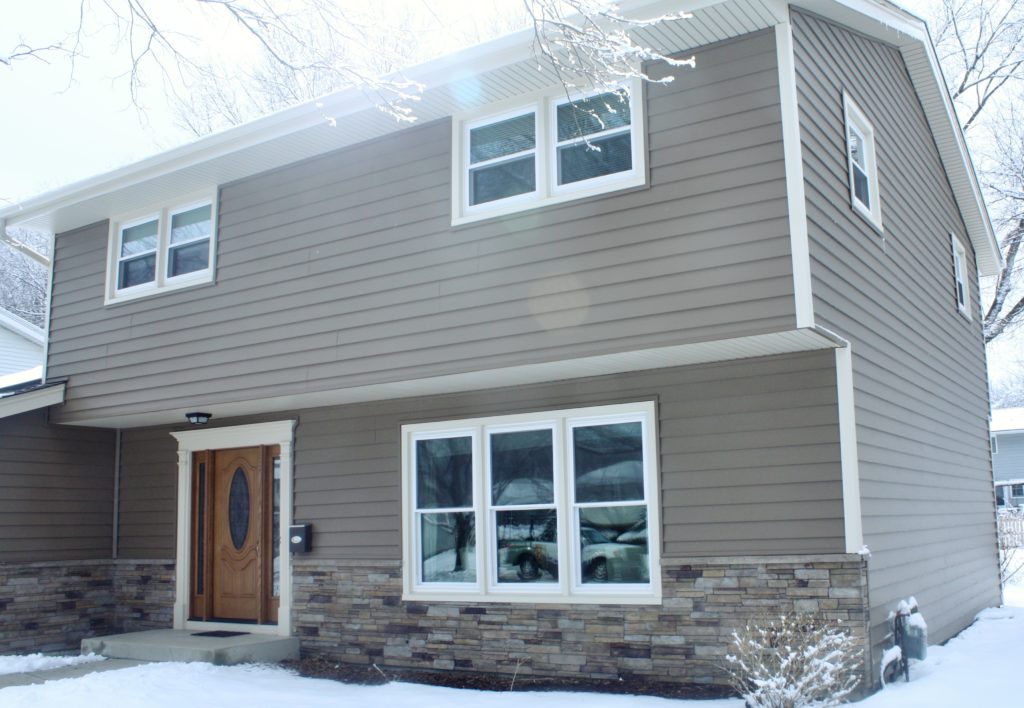
Vinyl siding gives homeowners color paths from soft neutrals to stronger blue, green, clay, and gray exterior palettes.
Profile range
Lap, Dutch lap, vertical, shake-style, scallop, and board-and-batten style looks can support different home designs.
Accent potential
Vertical siding, shakes, and scallops can add interest around gables, entries, bump-outs, and feature walls.
Efficient installation path
Vinyl is lighter than some siding materials, but it still needs straight lines, proper overlap, trim planning, and correct fastening.
Styles and colors
Style selection starts with the profile, then moves into color, trim, accent use, and how the siding works with doors, windows, roof color, brick, stone, and landscaping.

Lap vinyl siding
Lap siding gives many Naperville homes a familiar horizontal line and works with classic exterior layouts.
Plan lap siding
Dutch lap style
Dutch lap creates a deeper shadow line that can make vinyl siding look more dimensional from the street.
Compare profiles
Vertical vinyl siding
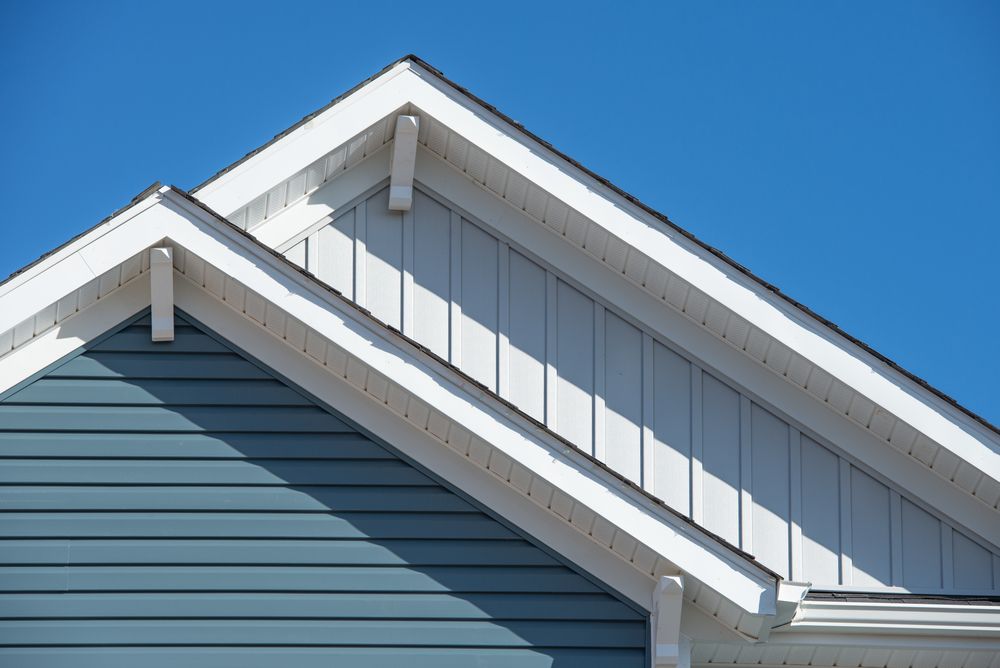
Vertical vinyl can be used as a main design direction or as an accent on gables and feature sections.
View vinyl sidingShake-style accents
Shake-style vinyl can add texture around gables, entries, and smaller exterior features.
View siding hubScallop accents
Scallop accents can work on traditional homes when the design needs a softer detail.
Talk through accentsColor-coordinated vinyl
Color planning should account for trim, entry doors, windows, roof tone, brick, stone, and landscape colors.
Visit showroomInsulated vinyl
Insulated vinyl is the upgrade path for homeowners who still want vinyl but want a foam-backed panel, a more rigid feel, and another layer behind the siding compared with standard hollow-back vinyl.
Material comparison
Many homeowners compare vinyl with James Hardie before choosing siding. The better fit depends on budget, maintenance expectations, product feel, exterior detail, climate planning, and how the home should look when finished.
| Factor | Vinyl siding | James Hardie fiber cement | What to decide |
|---|---|---|---|
| Budget path | Often considered for a more budget-conscious siding project | Often considered for a higher material path | How much of the budget should go toward material detail |
| Maintenance | Selected in a finished color and does not need routine painting | Low-upkeep fiber cement path with product-specific finish and install details | Which upkeep profile fits the homeowner |
| Cold weather | Product quality, insulated options, and installation details matter | HardieZone product planning and fiber cement installation details matter | Which material path fits the local exposure and exterior goals |
| Design feel | Many colors, profiles, and practical accent options | More product-line depth across plank, panel, shingle, trim, soffit, and ColorPlus options | How much exterior detail the home needs |
| Installation details | Needs proper fastening, room for movement, overlap, trim, and flashing coordination | Needs product-specific fastening, clearances, cut-edge treatment, trim, and flashing | Which crew plan fits the selected product |
Installation details
Vinyl siding can expand and contract with temperature changes. The installation should account for proper fastening, clearances, trim channels, overlaps, flashing, and the water-resistive barrier behind the siding.
Installation path
The old vinyl page included useful preparation and trim-board guidance. This version keeps that value in a homeowner-friendly project path.
Step 01
Opal reviews the current siding, wall condition, trim details, wires, pipes, corners, and openings that may affect the work.
Step 02
Old siding, fasteners, debris, and damaged areas may need to be addressed before new vinyl siding is installed.
Step 03
Trim boards, corners, windows, doors, and soffit transitions need careful planning so the siding fits correctly around the home.
Step 04
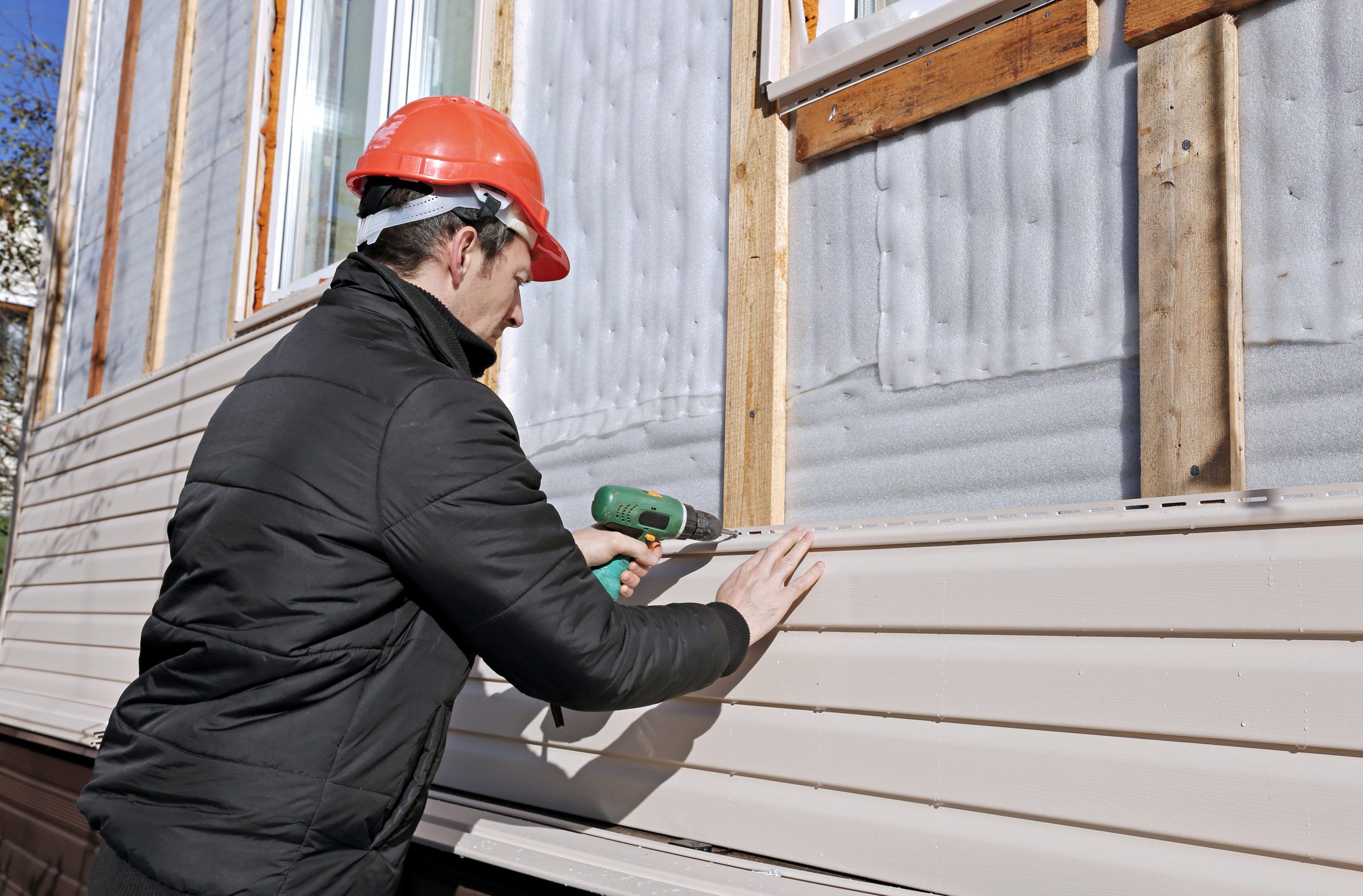
Vinyl siding needs straight lines, correct overlap, proper fastening, and room for normal movement.
Step 05
The project should confirm color, profile, accent placement, trim details, and how the siding meets windows and doors.
Step 06
Opal moves the project through installation, cleanup, and a final review of the finished exterior.
Investment planning
Vinyl siding pricing should be quoted after the home, siding condition, product path, and installation scope are reviewed. The estimate should explain the choices that shape the final project.
| Factor | What Opal reviews | Why it matters |
|---|---|---|
| Home size and shape | Wall surface, stories, gables, corners, transitions, and access | More surface and more detail affect material quantities and installation time. |
| Standard or insulated vinyl | Hollow-back vinyl, foam-backed vinyl, profile, thickness, and accessory choices | Product path changes ordering, installation details, and the finished feel of the wall. |
| Old siding removal | Existing siding, disposal, old fasteners, debris, and project access | Removal can reveal prep or repair needs before the new siding goes on. |
| Trim and accents | Windows, doors, corners, gables, soffit transitions, vertical sections, shakes, and scallops | Detail work affects both the installation scope and the exterior design. |
| Wall repairs and prep | Moisture concerns, damaged substrate, uneven surfaces, and flashing needs | Prep protects the project from covering wall concerns that should be handled first. |
| Color and profile choices | Main color, trim color, accessories, accent siding, and profile direction | Design choices affect ordering and how the home looks when finished. |
Manufacturer and warranty planning
For vinyl siding, the consultation should confirm product line, thickness, profile, color, accessories, insulated options, and warranty support before installation.
Project visuals
Use these Opal images to compare vinyl siding color, profile direction, trim contrast, insulated products, and whole-exterior coordination.

Coordinate vinyl siding color with entry doors, trim, roof color, and window details.
Request estimate
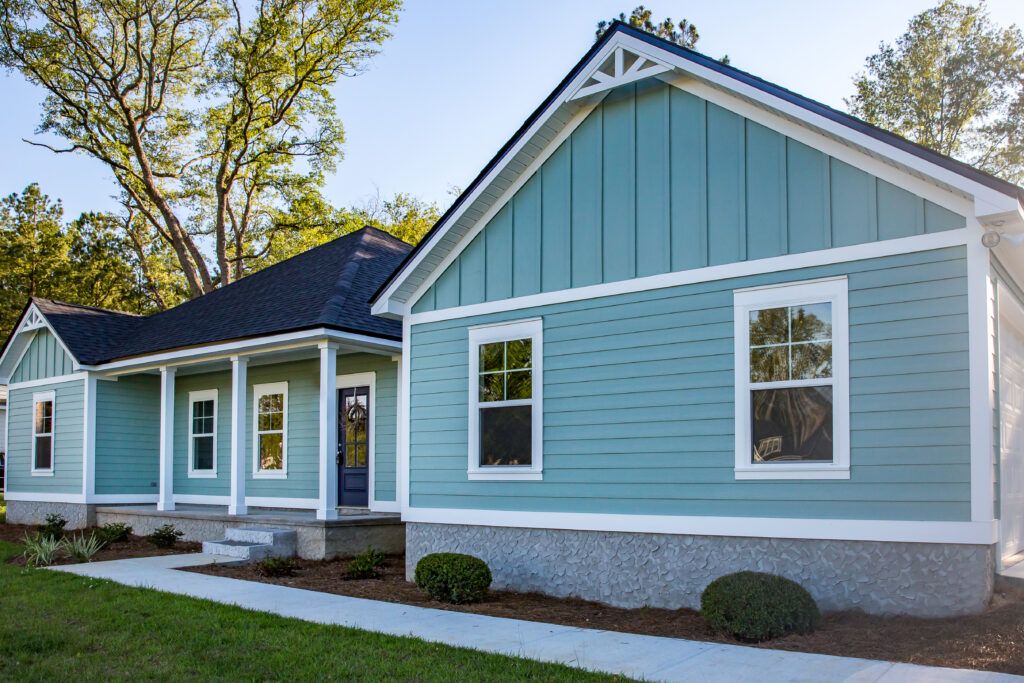
Blue vinyl siding can give the exterior more personality while keeping the maintenance path practical.
View vinyl siding
Full-home vinyl siding planning should account for trim, corners, gables, and entry details.
View siding hub
Vertical vinyl can be used as a main direction or as an accent where a taller line is desired.
Plan vertical accents
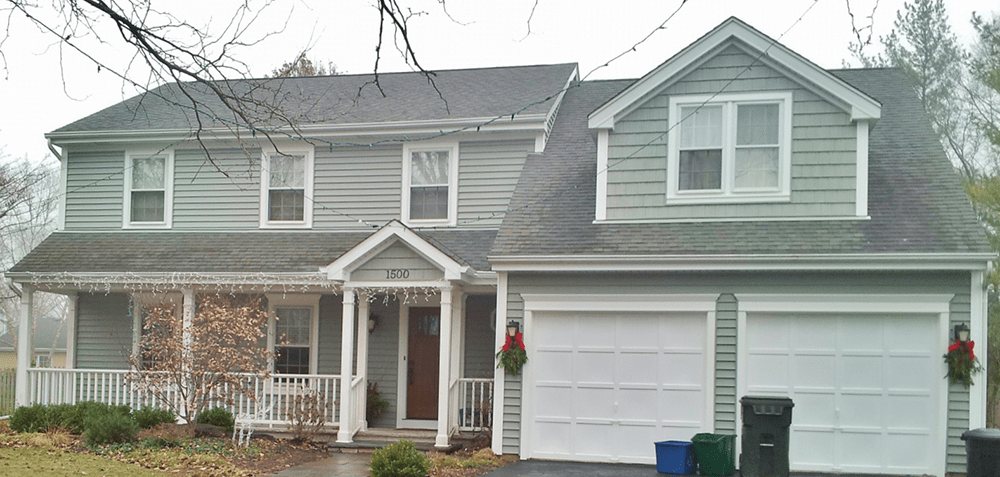
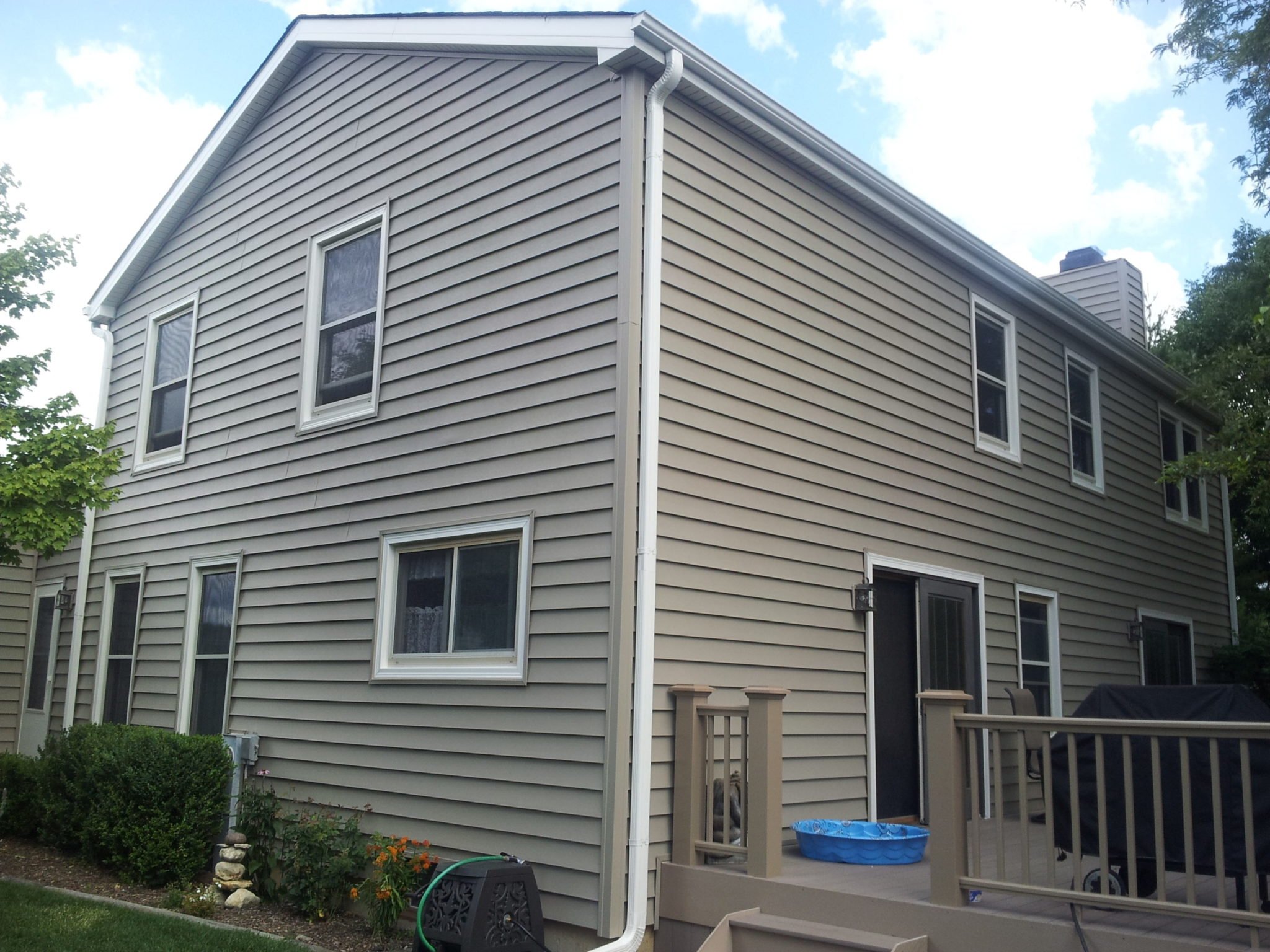
Neutral vinyl colors often work well on traditional Naperville homes with classic trim.
Visit showroom
Insulated vinyl can add rigidity and help the siding sit flatter on the wall.
Learn about insulated vinyl
Warmer vinyl colors can soften brick, stone, and landscape tones on the exterior.
Compare colors
Installer experience matters because vinyl still needs careful prep, trim, alignment, and fastening.
Read install notesRelated siding paths
Move from vinyl siding into the full siding hub, James Hardie comparison, material guides, workmanship support, and exterior projects that often touch trim, windows, and doors.
Compare vinyl with James Hardie fiber cement for a more substantial material path.
Open resourceUse the siding hub for full siding installation and replacement planning in Naperville.
Open resourceCompare siding material pros and cons when vinyl, fiber cement, and other materials are on the table.
Open resourceReview common siding problems when fading, cracking, warping, or damage starts the project.
Open resourceMany exterior projects touch siding, windows, and trim when curb appeal is part of the plan.
Open resourceDoor color, trim, and exterior details should be considered when siding is replaced.
Open resourceService areas
Opal helps homeowners in Naperville and nearby Chicagoland suburbs compare vinyl siding, insulated options, profiles, colors, trim, wall prep, and installation scope. Choose your community to see local exterior remodeling information.
Homeowner questions
These answers cover vinyl siding fit, insulated vinyl, profiles, James Hardie comparison, estimate factors, painting, removal, vertical siding, and installation details.
Yes. Vinyl siding can be a practical choice when the project needs lower upkeep, useful color choices, and a value-focused material path. Product quality and installation details matter in cold weather.
Insulated vinyl siding is foam-backed vinyl. It can add panel rigidity, help siding sit flatter, and add another layer behind the siding compared with standard hollow-back vinyl.
Homeowners commonly compare lap siding, Dutch lap, vertical siding, shake-style accents, scallop accents, and board-and-batten style profiles.
Vinyl is often considered for lower upkeep and budget control. James Hardie fiber cement is often considered for a more substantial material feel, deeper trim detail, and a higher material path.
Home size, surface area, removal, exterior prep, trim details, profile choice, insulated options, accent areas, and repair needs all affect the estimate.
Vinyl siding is selected in a finished color and does not need routine painting. Normal upkeep is usually cleaning and checking the exterior for damage or loose pieces.
That depends on the current wall condition and project scope. Opal reviews removal needs, surface prep, moisture concerns, and trim details before recommending the right installation path.
Yes. Vertical vinyl can be part of the main design or used as an accent on gables, entries, bump-outs, and feature sections.
Vinyl siding needs straight lines, correct overlap, proper fastening, space for normal movement, trim planning, flashing coordination, and a clean final walkthrough.

Plan the next step
Opal can review your current siding, standard or insulated vinyl options, profiles, colors, trim, wall prep, fastening details, installation scope, and warranty path before the project begins.