Drafts near the door
Our doors have best-in-class energy efficiency, durability, and security
Stop The Room From Feeling Uneven
Damaged sealing around a sliding door can make the room feel cold, hot, or uneven through the seasons.

Replace an aging sliding glass door with smoother track operation, better daylight, stronger security, Low-E glass options, and a cleaner connection between your home and patio area.
Start with the glide
A sliding door usually works with one fixed glass panel and one operating panel that glides on a track. Larger openings may use wider multi-panel layouts, but the decision still comes down to smooth movement, frame condition, glass performance, locking, screen planning, and the way the door connects the room to the patio.
Replacement signs
Drafts, sticking, leaks or condensation, visible damage, weak locks, and hard daily operation are common signs that a sliding door should be inspected for replacement.
Drafts near the door
Our doors have best-in-class energy efficiency, durability, and security
Damaged sealing around a sliding door can make the room feel cold, hot, or uneven through the seasons.
Sticking or dragging
A sliding door that is hard to open can point to track, roller, frame, or sagging issues that need a closer look.
Leaks or condensation
Our doors have best-in-class energy efficiency, durability, and security
Water, condensation, or staining near the door can signal sealing trouble, sill problems, or wider opening concerns.
Cracked glass or damage
Visible damage, cracked glass, worn hardware, and weak locks can affect both security and daily use.
Outdated lock feel
The lock, handle set, anti-lift details, and frame fit should all feel secure on a large glass opening.
Poor daylight or view
A cleaner glass package and a better frame profile can brighten the room while improving the patio connection.
Sliding door options
Start with the way the door needs to glide, then compare glass area, frame material, screen planning, locks, finish choices, and whether a hinged patio door should also be considered.

2-panel sliding glass doors
A common slider uses one fixed glass panel and one operating panel. It fits patios, decks, and rooms where a hinged door would need too much clearance.
Quote a 2-panel door
3-panel sliding doors
A wider slider can add more glass and a stronger outdoor view. Plan for panel width, track support, screen placement, and how the operating panel will be used.
Plan wider glass4-panel and large openings
Large openings need careful measurement, sill planning, glass selection, and installation fit so the finished system moves smoothly and seals properly.
Visit showroomLow-E and ENERGY STAR glass
Low-E glass, insulated glass, weatherstripping, and ENERGY STAR criteria should be part of the selection when the door is mostly glass.
Review energy criteriaProVia sliding doors
Opal is certified to install ProVia sliding doors. Use this path when brand, glass, finish, hardware, and installation method matter.
View ProViaSliding vs French patio doors
If you are comparing gliding doors to hinged French-style patio doors, use the patio door page to choose the right door family.
Compare patio doorsCustomization
A good sliding-door plan includes the frame, finish, glass, grille pattern, lock, hardware, and installer. Those choices shape how the door looks, feels, and performs every day.
| Choice | Why it matters | What to compare | Helpful link |
|---|---|---|---|
| Frame materials | Opal helps homeowners compare fiberglass, steel, vinyl, and wood frame options for the right look and feel on a new slider | Maintenance, strength, finish, interior trim, exterior color, and product availability | Visit showroom |
| Colors and finishes | Frame color and finish should work with the patio area, interior finishes, exterior color, and the rest of the door or window package | Interior color, exterior color, trim, hardware finish, and adjacent windows | ProVia options |
| Low-E glass | Low-E glass can support energy-conscious planning by helping reduce heat transfer through a large glass opening | Room orientation, sunlight, climate-zone label, U-factor, SHGC, and visible daylight | ENERGY STAR |
| Between-the-glass grids | Between-the-glass grids add visual detail without loose grille maintenance on the room side | Pattern, privacy, glass area, cleaning expectations, and exterior style | Review options |
| Door locks and hardware | Lock quality, handle feel, and hardware selection matter because a sliding door is a primary access point to the patio or yard | Handle set, lock style, anti-lift planning, finish, and daily use | Request quote |
| ProVia-certified installation | Opal is certified to install ProVia sliding doors, with installation techniques matched to the product requirements | Product line, glass, frame, hardware, installation method, and warranty language | View ProVia doors |
Details homeowners notice later
Sliding doors are used constantly during warm months. The right plan should feel smooth, secure, easy to clean, and natural in the room.
Installation path
Product choice, glass package, frame condition, track alignment, sealing, and hardware adjustment all affect daily operation.
Step 01
Opal starts by reviewing the patio opening, remodeling goals, style preferences, and target budget before product selection begins.
Step 02
The opening, frame, sill, track area, trim, floor height, and exterior conditions are measured before a new sliding door is ordered.
Step 03
Drafts, sticking, sagging, leaking, condensation, and visible damage are reviewed so the installation scope matches the old door.
Step 04
Frame material, color, finish, Low-E glass, grids, lock hardware, screen planning, and ProVia options are selected for the home.
Step 05
The new sliding door is set, fastened, sealed, weatherstripped, trimmed, and adjusted using product-appropriate installation methods.
Step 06
The finished door is checked for smooth movement, latch alignment, lock feel, weather protection, and finished appearance.
ProVia and warranty support
Opal is certified to install ProVia sliding doors and supports Naperville sliding door installations with a lifetime labor warranty path. Homeowners can also use the service request page after installation if a labor concern needs review.
Visual planning
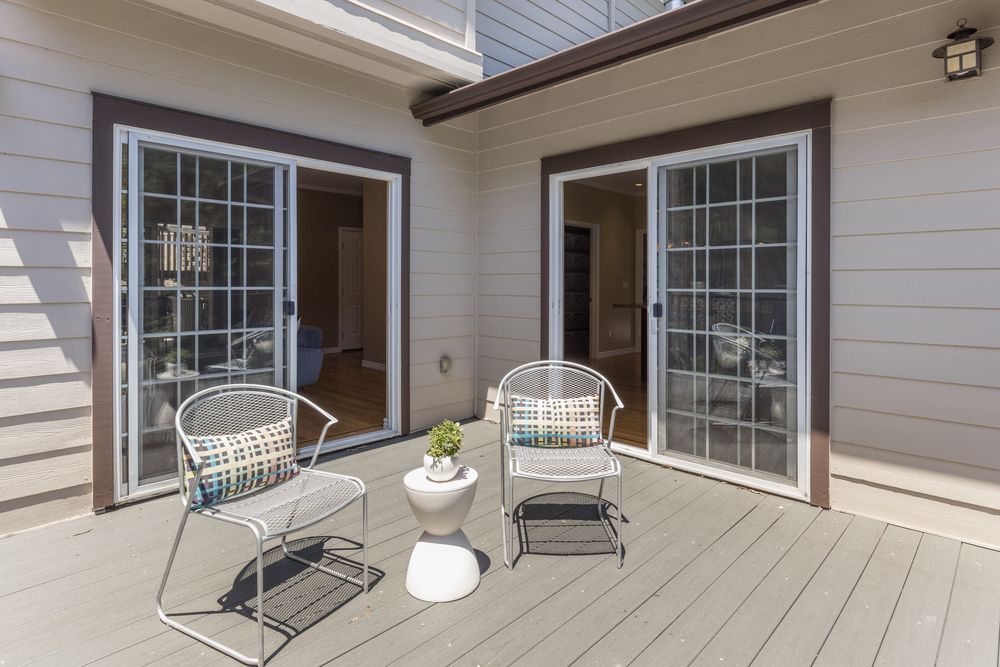
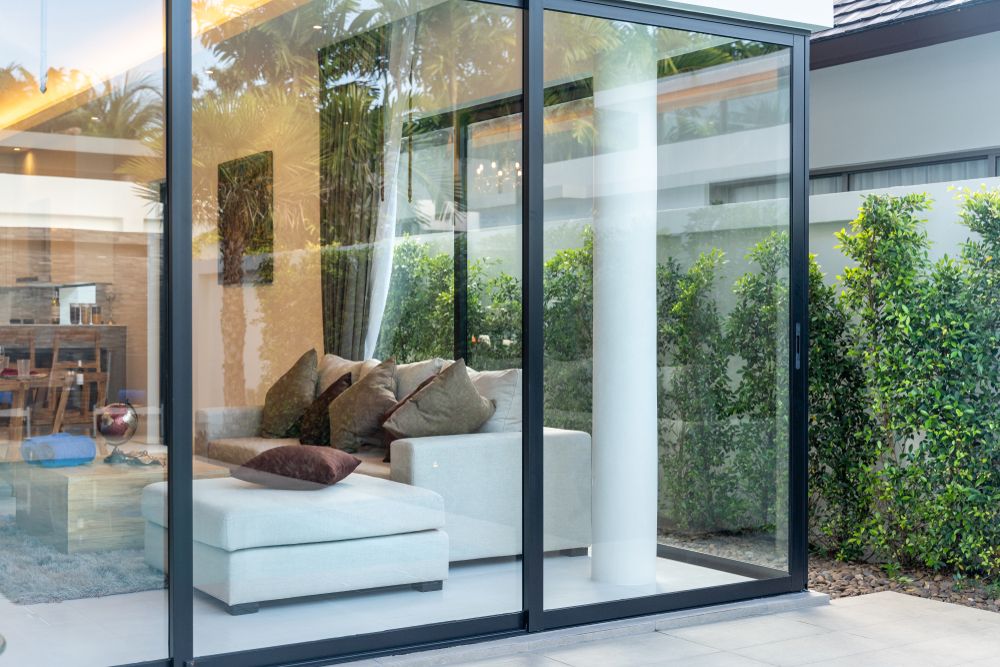
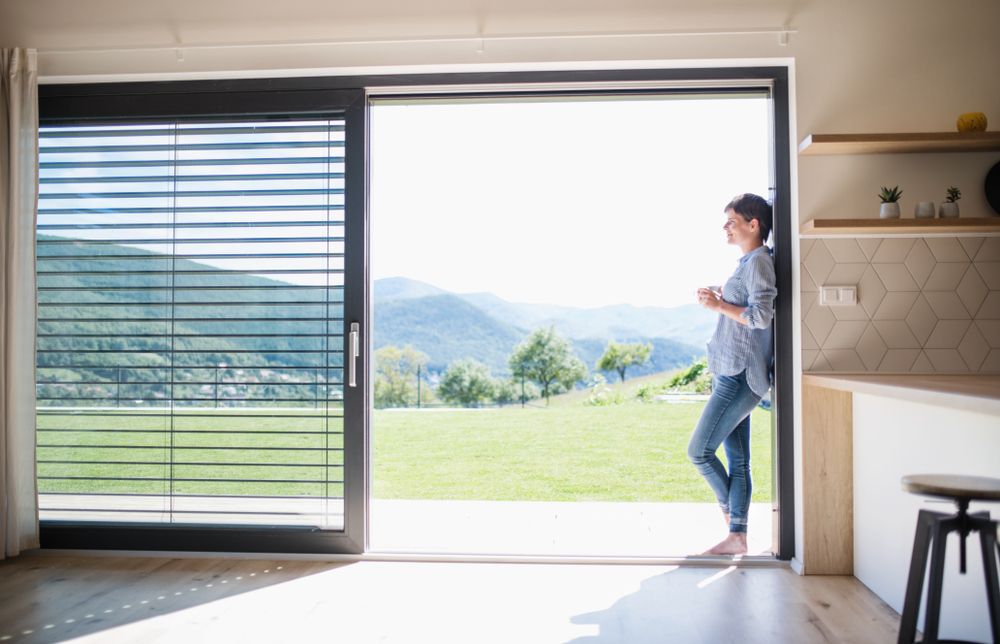
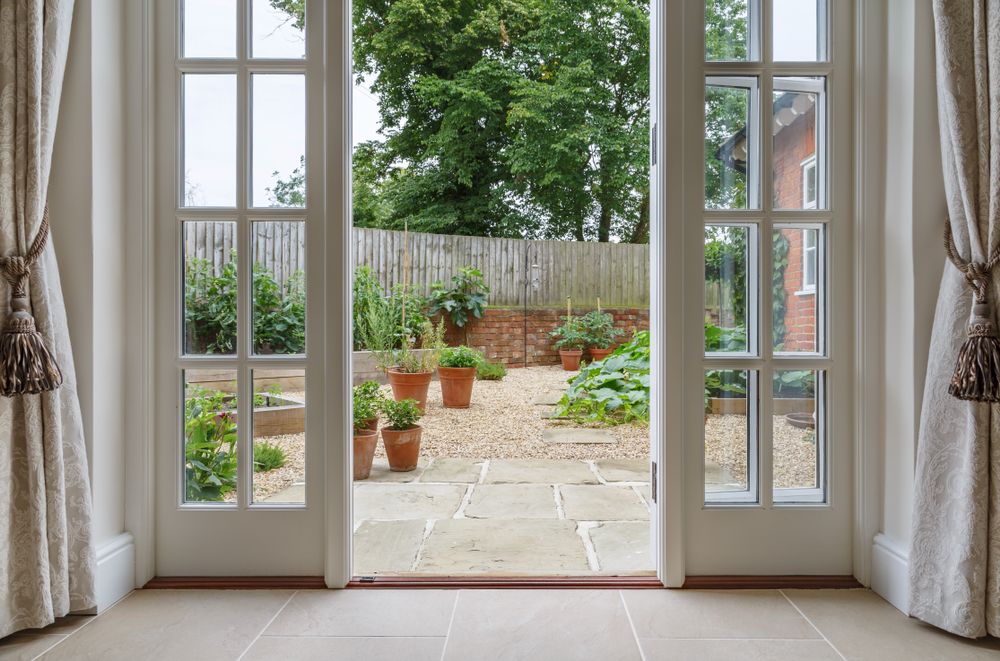
Use these Opal door images to compare glass area, frame profile, operation, finish, and how the opening changes the room connection to the outdoors.

Compare glass area, track or opening needs, frame profile, lock planning, and the finished look.
Request sliding door quote
Review how the operating panel, screen, handle, and patio access work together.
Visit showroom
Compare sliding doors with hinged patio-door options when the room faces a garden, patio, or deck.
Compare patio doors
Use glass-door examples to compare frame presence, grid detail, hardware, and daylight.
View ProVia doors
Sliding doors should still coordinate with trim, siding, windows, and the rest of the exterior.
Review door replacement
Compare door finish, hardware, glass, and frame details before choosing the final package.
Request quoteQuote planning
A sliding door quote depends on the opening, old frame condition, panel layout, glass package, frame material, lock hardware, finish choices, and whether the project is part of a larger window or door plan.
| Factor | What to review | Why it matters |
|---|---|---|
| Door layout | Two-panel, wider multi-panel, or specialty opening | Panel count and opening width shape product selection and installation planning. |
| Condition of the old door | Drafts, sticking, sagging, leaking, condensation, and damage | The old frame, sill, and track area can change the installation scope. |
| Custom choices | Frame material, Low-E glass, grids, locks, color, finish, and hardware | Options affect performance, appearance, and long-term use. |
Helpful next steps
Move from the sliding-door decision into the broader door pages, the patio door comparison page, ProVia information, storm doors, entry doors, local sliding-door pages, and showroom planning.
Compare entry, patio, sliding, storm, and ProVia door options before choosing the right door path.
Open resourceUse the patio door page when you are comparing sliding doors with hinged or French-style patio doors.
Open resourceReview the ProVia door path when brand, glass, finish, and certified installation matter.
Open resourceUse the entry door page when the project is about the front entry, sidelights, hardware, or curb appeal.
Open resourceUse the storm door page when added weather protection or ventilation is the main goal.
Open resourcePlan a showroom visit to compare finishes, glass, hardware, and current door options.
Open resourceDoor learning path
Read deeper guides on energy ratings, door-frame planning, related glass openings, reviews, and financing before requesting a quote.

Review energy-performance terms before choosing Low-E glass, frames, coatings, and sliding door options.
Read more
Learn why the frame, sill, threshold, and opening condition matter before replacement.
Read more
Use the sliding windows page when the same horizontal-operation intent applies to window replacement instead of a door.
Read more
Use the picture windows page when the goal is fixed glass, daylight, and a wide outdoor view without door operation.
Read moreRead homeowner feedback before choosing a sliding door project path.
Read moreReview financing options if the sliding door is part of a larger exterior project.
Read moreService areas
Opal helps homeowners in Naperville and nearby Chicagoland suburbs compare sliding glass door replacement, panel layouts, Low-E glass, track and sill condition, security, ProVia options, and installation fit. Choose your community to see local exterior remodeling information.
Common questions
These answers cover slider mechanics, energy, security, panel layouts, ProVia installation, replacement signs, and when to compare sliding doors with French-style patio doors.
For most homeowners, yes. A sliding glass door is the gliding patio door used between an interior room and a patio, deck, or backyard. This page focuses on the sliding version, while the patio door page compares sliding doors with hinged and French-style patio doors.
A typical sliding door has one fixed glass panel and one operating panel that moves along a track. Larger openings may use wider multi-panel layouts, which makes measurement, track condition, rollers, screen planning, and lock alignment especially important.
Sliding glass doors can support better comfort when Low-E glass, insulated glass, weatherstripping, frame material, and installation fit are selected correctly. ENERGY STAR door criteria can also help homeowners compare energy-conscious options.
Security depends on the lock, handle set, frame fit, glass choice, track condition, and whether anti-lift or added lock details are part of the selected system. Lock quality should be part of the customization conversation.
A door that sticks or drags can point to roller wear, track problems, sagging, frame movement, dirt in the track, or a door that no longer fits the opening correctly.
Replacement is worth discussing when the door has drafts, sticking, leaking, condensation, visible damage, cracked glass, weak locks, or a frame that no longer supports smooth operation.
Yes. Opal is certified to install ProVia sliding doors and follows approved installation techniques for those products.
Choose a sliding door when you want wide glass and no swing clearance. Use the patio door page if you are comparing that against the more traditional look and swing of hinged or French-style patio doors.
For sliding doors, ENERGY STAR climate-zone criteria and NFRC ratings can help compare U-factor, solar heat gain, daylight, and air leakage before the door is ordered.
Plan the next step
Opal can review the existing frame, track, sill, screen plan, panel layout, glass goals, lock needs, ProVia options, and whether the opening needs a straightforward replacement or a fuller installation plan.