Side-to-side operation
It Helps In Awkward Reach Spots
The sash glides horizontally, which can make the window easier to use over counters, sinks, furniture, or lower walls.





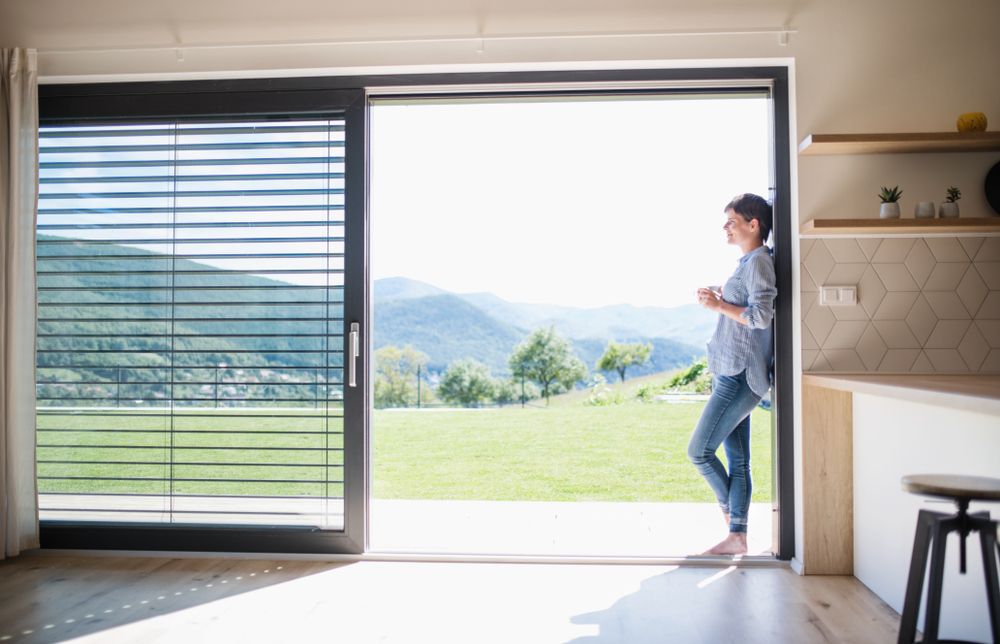
Sliding window fit check
Sliding windows move horizontally along a track. They work best when the opening is wider than it is tall, the room benefits from broad daylight, and side-to-side operation feels easier than lifting a sash or using a crank.
Why the horizontal format matters
A sliding window is usually chosen for reach, width, daylight, and simple operation. The style is strongest when the room asks for a low, wide window instead of a taller vertical sash.
The important detail is the track. A good sliding-window plan starts with a square opening, clean movement, reliable locks, screen fit, and a glass package suited to the exposure. If the track is ignored, the window may look right in a drawing but feel wrong in daily use. That is why Opal looks at the room and the existing opening before treating the style as final.
Side-to-side operation
The sash glides horizontally, which can make the window easier to use over counters, sinks, furniture, or lower walls.
Wide glass
The horizontal format can bring more visible glass into a room while keeping the operating hardware quiet.
No outward swing
A slider stays within the opening, which helps near shrubs, walkways, decks, patios, and narrow side yards.
Best rooms
Sliding windows are strongest where horizontal proportion, easy reach, and broad daylight matter more than full-width ventilation. The best rooms are usually clear once the opening shape and furniture layout are reviewed.
Kitchen walls
Side-to-side operation can work well over counters or sinks where lifting a sash can feel inconvenient.
Basements
Lower-level rooms often use wider, shorter openings where a slider can add light and airflow without asking for a tall window.
Family rooms
Wide glass can brighten a larger room and keep the window easy to operate from daily living areas.
Walkways and patios
Because the sash does not swing outward, sliders avoid conflicts with shrubs, paths, decks, and tight side yards.
Modern elevations
The horizontal profile can fit wide wall layouts better than a taller sash style.
Grouped openings
Several sliding units can be planned together for consistent sightlines, grilles, screens, exterior color, and operation.
Style comparison
Sliding windows belong in many rooms, but the style is not automatic. The useful comparison looks at opening width, ventilation, cleaning, view, seal, exterior clearance, and room layout before the quote is built.
| Compared to | Where sliding helps | Tradeoff to discuss | What to compare next |
|---|---|---|---|
| Casement | Wide horizontal fit, no outward swing, and simple glide operation | Casement can open more fully and may seal tighter when closed | Casement windows |
| Double-hung | Better fit for wide, short openings and easier reach over counters | Double-hung gives top-and-bottom ventilation and classic vertical proportions | Double-hung windows |
| Single-hung | Wider glass area and side-to-side operation | Single-hung can be simpler for traditional vertical openings | Single-hung windows |
| Picture | Ventilation, screen options, and operation | Picture windows maximize glass and view when the window does not need to open | Picture windows |
Material, glass, grilles, and screens
Start by deciding whether sliding operation fits the room, then compare material, glass package, grilles, screens, color, lock finish, and maintenance expectations. Use the material pages below when frame type, finish, or long-term care is the bigger question.
| Material | Useful when | Discuss before ordering | Next page |
|---|---|---|---|
| Vinyl | Straightforward replacement planning, low-maintenance needs, and clean everyday operation | Frame profile, color range, glass package, and installation method | Vinyl windows |
| Fiberglass | Projects where frame strength, finish stability, and profile matter to the overall window plan | Profile, finish options, glass performance, and total installed scope | Fiberglass windows |
| Composite | Homeowners comparing durability, frame profile, and maintenance expectations | Color, construction, glass options, warranty terms, and current product availability | Composite windows |
| Wood | Homes where interior finish, warmth, and traditional detail are part of the decision | Interior finish, exterior cladding, maintenance expectations, and trim relationships | Wood windows |
Grilles
Grille pattern, sightlines, and exterior color should be settled before the order is built.
Screens
Screen type, color, visibility, storage, and cleaning access should fit how the room is actually used.
Locks and rollers
Locks, rollers, tracks, weatherstripping, and sash movement should all be checked before the project wraps.
Brands, warranty, and financing
Once the room points toward sliding windows, Opal can narrow series, material, color, grille, screen, hardware, glass, warranty, and financing questions against the opening and project scope.
Product line
Andersen can be part of the discussion when finish, color, series, and design flexibility matter for the room and elevation.
View AndersenWarranty
Use Opal's warranty page for current labor-warranty language, claim steps, and post-installation expectations.
Warranty detailsFinancing
The financing page explains current options if payment timing affects the project plan.
View financingOlder homes
For older homes where lead-safe work may matter, Opal can account for removal and handling during the window installation plan.
Final check
Sash glide, locks, rollers, tracks, screens, trim, cleanup, and homeowner care should be confirmed before the project is complete.
Replacement or installation
A sliding project may be a straightforward replacement, or it may involve more of the wall. The frame, sill, exterior trim, flashing, siding transitions, and interior finish decide how much of the opening should be disturbed.
Replacement
This can make sense when an aging sliding unit is being swapped for a new unit in a sound existing opening.
Window replacementInstallation
This fits projects with a changed size, damaged framing, fuller trim work, siding coordination, or a larger remodel.
Window installationStyle choice
Compare sliding with casement, double-hung, single-hung, picture, awning, bay, and bow options before locking in the style.
Window type guideProduct details
Series, material, glass package, grilles, screens, color, hardware, and current availability should be confirmed before ordering.
Window servicesPlanning the work
Sliding window installation depends on accurate measurement, square placement, clean weather sealing, and track checks. The goal is a window that looks right from the outside and glides cleanly inside the room.
Step 01
Opal reviews room use, opening shape, exterior exposure, grille pattern, nearby windows, and whether sliding operation fits the elevation.
Step 02
The frame, sill, water management, trim depth, and surrounding wall condition help decide whether replacement or fuller installation work is the better fit.
Step 03
The sliding style is reviewed with material, glass, grilles, screen type, color, locks, rollers, and nearby window styles.
Step 04
Precise measurements protect track fit, sash movement, reveal lines, screen fit, and the final interior and exterior finish.
Step 05
The unit is set, fastened, insulated, flashed, and sealed so weather protection and sliding operation work together.
Step 06
Sash glide, locks, rollers, tracks, screens, trim, cleanup, and care details should be checked before completion.
Quote factors
A sliding quote should reflect the product, the opening, and the way the room is used. Smooth sash movement, rollers, locks, track alignment, weatherstripping, screens, trim, and glass package all affect the final scope.
Look and layout
A well-planned sliding window should look right from the street and feel simple inside the room: broad glass, easy operation, clean tracks, and finish details that match the home.
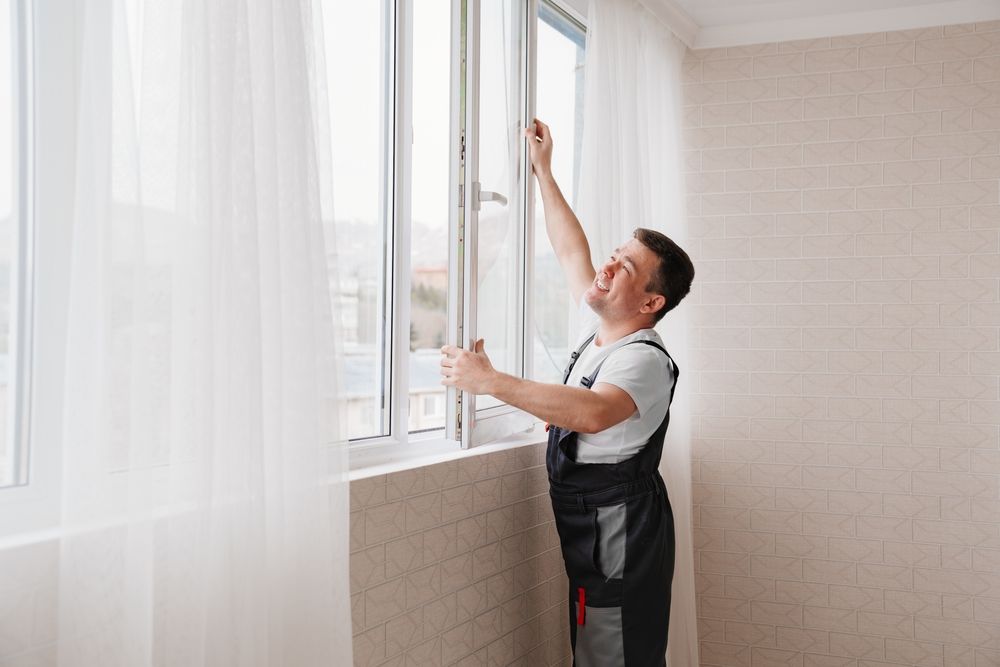
A clean installation plan protects the track, sash glide, lock alignment, screen fit, and the finished trim around the opening.
Review sliding windows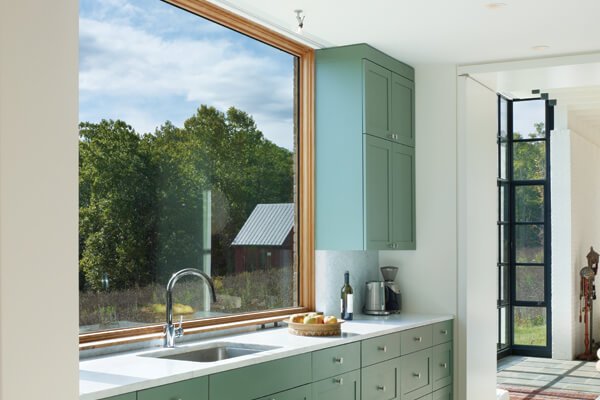
Picture windows are worth comparing when the view and daylight matter more than operation.
Compare picture windows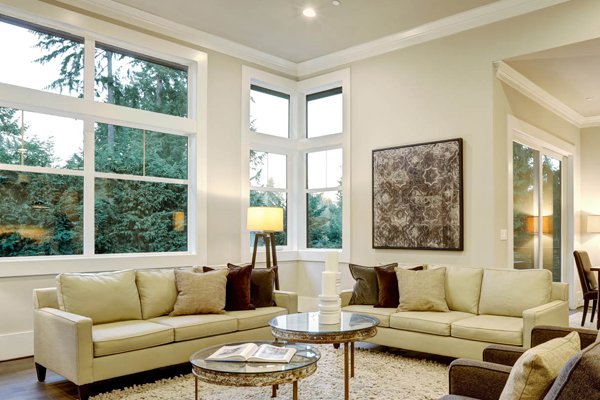
Compare casements when full opening, crank operation, exterior clearance, or a cleaner glass view changes the recommendation.
Compare casementService areas
Opal helps homeowners in Naperville and nearby Chicagoland suburbs compare sliding window replacement, installation scope, and room fit. Choose the closest community to review local window service information.
Related choices
A sliding choice usually connects to the rest of the window plan. Once the room points toward this style, the next step is sorting out replacement scope, installation work, material, and nearby window styles.
Start here if sliding, casement, double-hung, single-hung, picture, bay, or bow windows could all make sense for the room.
View window typesThis fits when the opening is sound and the new unit can stay close to the current size.
Review replacementThis fits when trim, flashing, siding, framing, or water management needs more attention.
Review installationCompare casements when full opening, crank operation, or a cleaner glass view may be more important.
Compare casementCompare double-hung windows when vertical proportions, top-and-bottom ventilation, and tilt-in cleaning matter.
Compare double-hungCompare picture windows when the room needs more glass, a stronger view, or a fixed center unit.
Compare picture windowsSliding window questions
These answers help narrow the decision before a site review. The final recommendation still depends on measurements, product selection, and the condition of the opening.
Sliding windows make sense when the room needs a wider window shape, side-to-side operation, broad daylight, and simple daily use. Opal can confirm the material, glass package, screen fit, track condition, and opening condition before ordering.
Usually no. A sliding window normally opens about half its width because one sash moves behind the other. If full opening is the priority, casement windows may be worth comparing.
Sliding windows can support comfort goals when the frame material, weatherstripping, glass package, installation method, and air sealing match the room and exposure. Compare the ENERGY STAR climate-zone label and NFRC values before choosing by style alone.
Often, yes. Side-to-side operation can be easier over counters and sinks because you do not need to lift a sash or reach for a crank.
They solve different problems. Sliding windows fit wider horizontal openings and easy glide operation. Double-hung windows fit classic vertical proportions and top-and-bottom ventilation.
Many sliding products have sashes that lift out or tilt for cleaning. Opal should confirm the exact cleaning feature with the selected window series before ordering.
Either can make sense. One problem opening may be replaced by itself, but grouped windows often look and perform better when sizing, grille patterns, exterior color, glass package, and screen choices are planned together.
Start with the room, rough window count, preferred style, and whether the project is replacement or fuller installation. Exact measurements come later in the process.
Plan the right next step
Opal can review the room, track condition, sash movement, existing frame, material choices, glass package, grilles, screens, and whether replacement or fuller installation is the better scope.