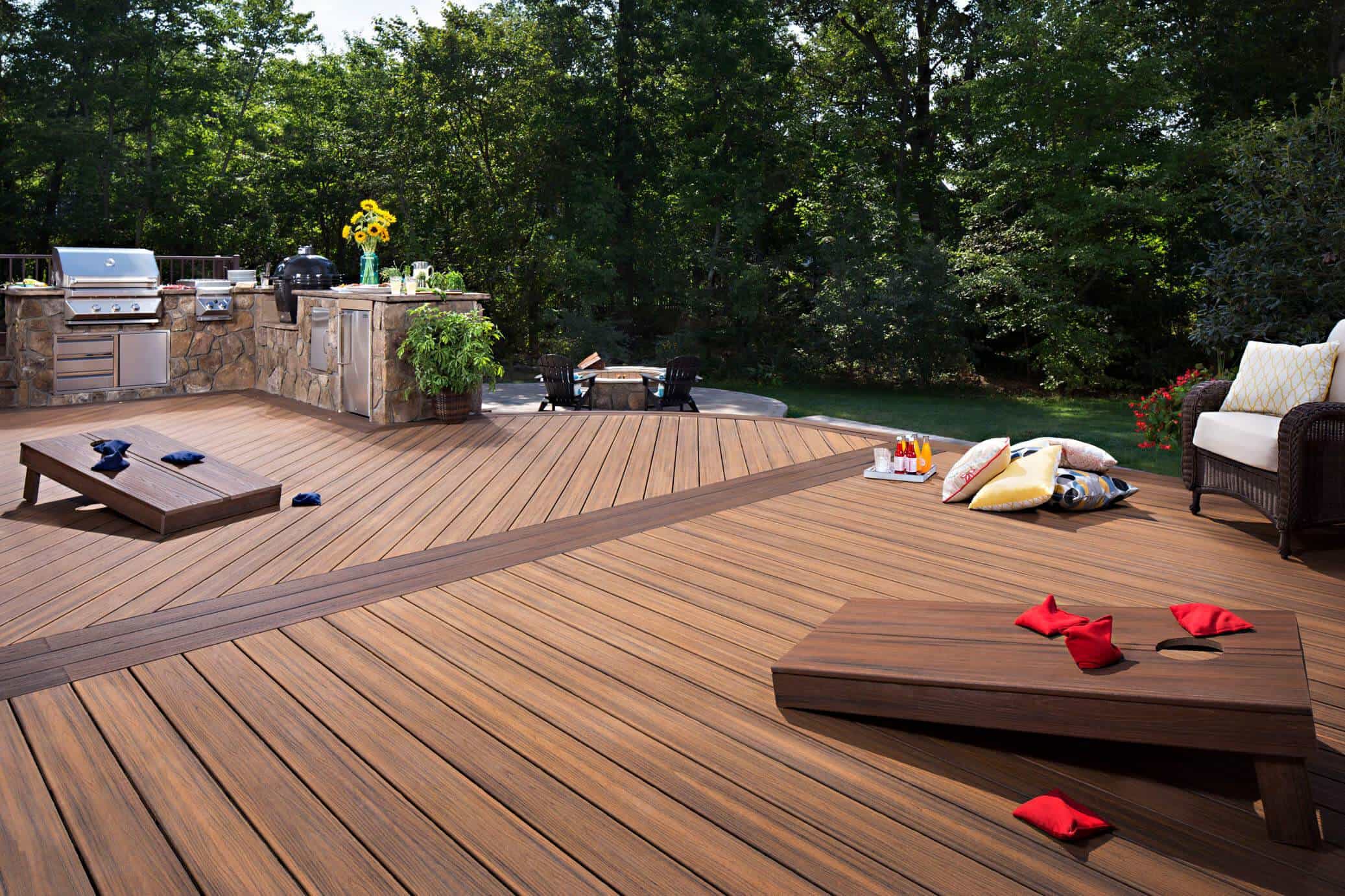
Lisle exterior planning
Opal helps Lisle homeowners plan exterior updates around the opening, wall, trim, storm protection, outdoor access, and water movement around the home.
Free quote
Share a few details about your home and project. Opal will follow up with next steps and a scoped estimate.
Local first look
Lisle exterior work should begin with the parts that affect installation: permit guide, rough opening, wall covering, drainage plane, landing, grade, and inspection timing.
Planning help
Lisle homeowners can work with Opal for replacement windows, siding, exterior doors, storm doors, decks, and patios. The best planning starts with the part of the house being opened, covered, or connected to the yard.
That means checking window labels and flashing, door swing and storm-door clearance, siding water protection, trim width, deck landings, patio grade, and how water moves across the lot before final product decisions are made.
Local checks
Services
Start with the part of the home that is failing or changing, then keep the nearby trim, wall, landing, grade, and inspection details in the same plan.
Windows
Window work in Lisle should account for frame condition, existing rough opening, glass package, sash style, safety glazing locations, manufacturer labels, flashing, and the finished trim line.
ReplacementInstallationVinylFiberglassWoodComposite
Doors
Door planning should review the threshold, jamb, sill, swing or slide operation, hardware, privacy, screen use, storm-door clearance, and how the landing sits outside the opening.
Entry doorsStorm doorsPatio doorsSliding doorsHardwareClearance
Siding
Siding work should look beyond color and profile. The wall condition, water-resistive barrier, seams, penetrations, flashing around windows and doors, soffit, fascia, and trim width all affect the finished exterior.
James HardieVinyl sidingTrimWRBSoffitFlashing
Outdoor
Decks and patios should be planned with the door, landing, stairs, ledger condition, grade, stormwater, drainage easements, patio material, and daily movement between the home and yard.
DecksPatiosStairsLandingsDrainageFlatwork
Local planning
Lisle has clear residential guides for windows and doors, siding, decks, patios, and flatwork. Those guides can affect drawings, manufacturer documents, inspections, and the order in which work can happen.
Windows and doors
The window and door guide points to exterior replacements, rough-opening changes, manufacturer specifications, labels, safety glazing, and flashing instructions.
Wall covering
The siding guide calls out exterior wall covering replacement, water-resistive barrier details, sealed penetrations, drainage plane inspection, flashing, and final inspection.
Outdoor access
Deck and patio guides bring the exterior door into the conversation through landings, stairs, ledger details, pier locations, flatwork, grade, and site plans.
Stormwater
Lisle describes stormwater moving through storm sewers, roadside ditches, overland routes, detention ponds, creeks, and the East Branch of the DuPage River.
Where to begin
Pick the service that matches the first problem, then bring the connected exterior details into the same conversation.
Start with drafts, fogging, operation, frame condition, rough opening, flashing, labels, and whether the existing trim can stay.
Check the main door, storm door, swing, handle clearance, threshold, landing, screen use, glass, and weather protection together.
Review wall condition, water-resistive barrier, flashing, siding profile, corner boards, trim width, soffit, fascia, and penetrations.
Plan the outdoor surface with door height, landing, stairs, railings, ledger condition, grade, material, and how the yard drains.
Manufacturer specifications, schedules, drawings, contracts, site plans, and plat details can matter before products are ordered.
Hard surfaces, downspouts, low areas, easements, and overland routes should be reviewed before siding, patio, or deck work begins.
Compare Opal’s nearby DuPage and west-suburban pages when the home sits near Naperville, Downers Grove, Glen Ellyn, or Wheaton.
Request a quote when the home concern is clear and keep product choices, access, inspection timing, and work sequence together.
Product decisions
A Lisle exterior update works better when product choices are tied to the existing opening, wall system, grade, and everyday use of the entry or yard.
Window replacement should account for material, frame condition, glass label, operating style, safety glazing, flashing, trim depth, and room comfort.
Entry, patio, sliding, and storm doors should be reviewed for weather exposure, security hardware, glass, screens, threshold height, swing, and landing conditions.
James Hardie and vinyl siding decisions should include profile, color, trim, water-resistive barrier, seams, flashing, soffit, fascia, and existing wall condition.
Decks, patios, stairs, landings, and flatwork should be planned around traffic flow, stormwater, grade, easements, water routes, and door operation.
Process
Keep product choice, permit guide, inspection timing, wall protection, and yard access in the same plan.
Identify the opening, wall, door, deck, patio, or exterior surface that needs attention.
Check rough openings, trim, sill, landing, wall returns, grade, and access.
Compare material, color, glass, operation, siding profile, hardware, and outdoor-use needs.
Check Lisle permit guides, manufacturer documents, drawings, inspection points, and stormwater details.
Plan staging, weather protection, flashing, wall preparation, and manufacturer-guided installation.
Review operation, finish, seal, trim, siding returns, drainage, cleanup, and next steps.
Local review
Questions? Call 888-676-6725 in Naperville
The Village of Lisle publishes residential guides for window and door replacement, siding, decks, patios, and flatwork. These guides point homeowners toward documents, drawings, inspections, flashing, drainage plane, landings, and stormwater considerations that can shape the work before products are ordered.
Opal’s role is to help the exterior plan make sense as a whole, from the first window or door opening to the siding return, deck access, patio edge, and finished curb-facing view.
Local links
Service areas
Opal maintains a Lisle window page, a Lisle storm door page, material pages for siding, and nearby DuPage service-area pages.
Start the conversation
Tell Opal what you want to replace, what feels wrong about the exterior, and whether windows, doors, siding, decks, patios, drainage, or permit-guide details should be reviewed together.
Homeowner FAQs
Helpful answers for Lisle homeowners comparing exterior updates, permit guides, storm doors, siding, decks, patios, and drainage.
Yes. Opal’s current Lisle page supports siding, replacement windows, exterior doors, storm doors, decks, and patios for Lisle homeowners.
Lisle’s residential window and door guide states that a permit is required for exterior window or door replacement, rough-opening alteration, or adding a window or door. Storm doors over existing openings and glass-only replacement in an existing sash and frame are listed as exempt.
Check frame condition, rough opening, glass labels, safety glazing locations, flashing, manufacturer instructions, trim depth, and whether the opening size or style is changing.
Lisle’s residential siding guide states that siding or exterior wall covering replacement requires a permit. The guide also calls for a drainage plane inspection before the exterior wall covering is installed and a final inspection when the work is complete.
Yes. Planning these items together helps the trim, flashing, wall protection, color, glass pattern, sill details, and entry sequence read as one exterior.
Yes. Deck and patio planning should account for door landings, stairs, ledger condition, grade, drainage, and access from the house.
Lisle’s residential deck guide says a permit must be obtained before constructing a deck. Lisle’s patio or flatwork guide says a permit must be obtained before installing a patio, including concrete, masonry, natural stone flatwork, walkways, stoops, and stairs.
Lisle describes stormwater moving through storm sewers, roadside ditches, overland routes, detention ponds, creeks, and the East Branch of the DuPage River. Exterior work should respect grade, drainage easements, downspouts, hard surfaces, and water movement around the home.

A storm door works with the existing entry opening and can add weather protection, ventilation, and another layer between the main door and the exterior. It still needs proper measuring, clearance, hardware, swing, and landing conditions.
Federal EPA rules generally require certified lead-safe practices for paid renovation, repair, or painting work that disturbs painted surfaces in pre-1978 housing or child-occupied facilities.