Clear view
Keep The Sightline Open
No meeting rail or operating sash cuts across the main pane, so the outdoor view feels quieter and easier to enjoy.





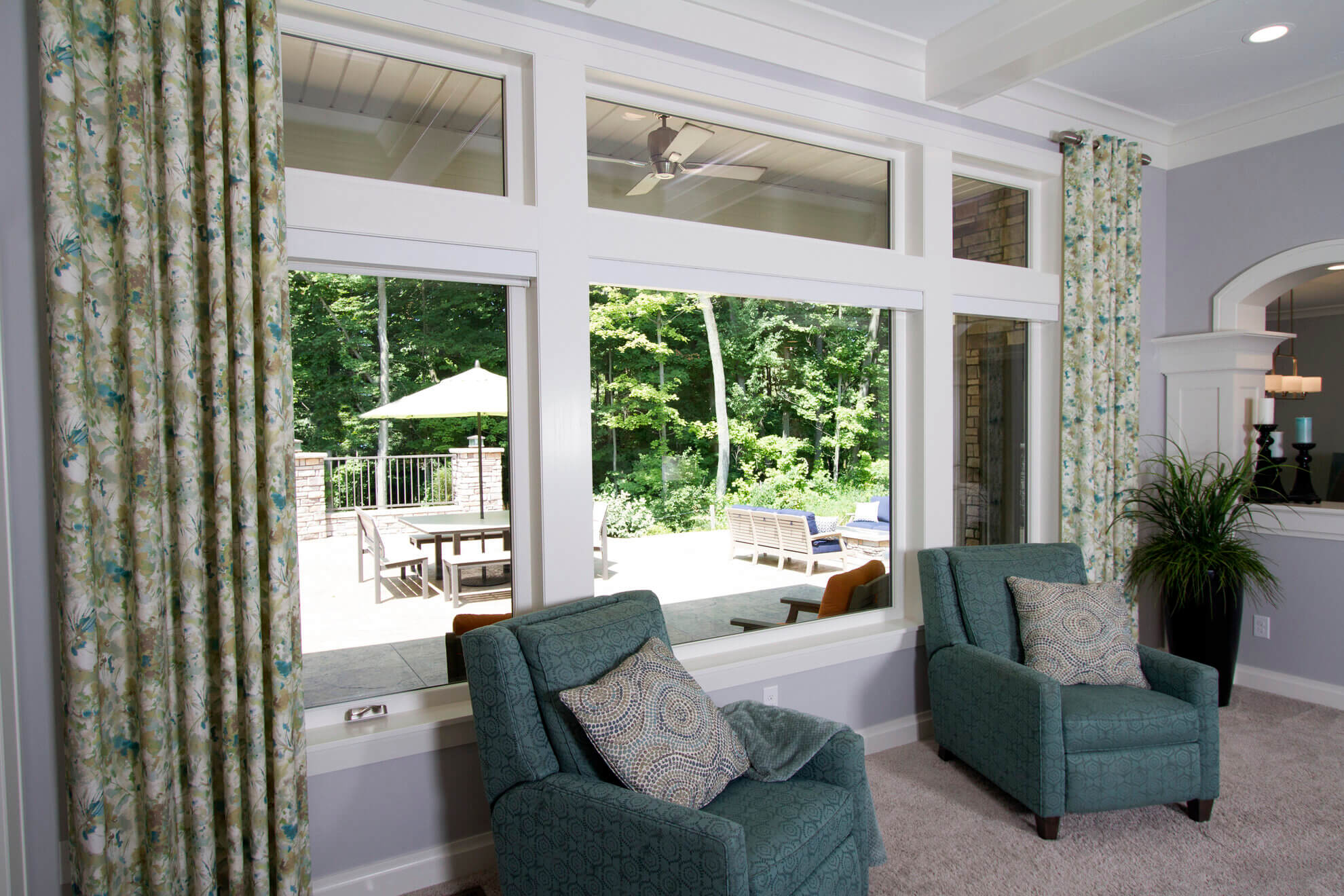
Picture window fit check
Picture windows use fixed glass to bring in daylight and frame the part of the yard, street, or room view you want to enjoy. They fit best when the opening can stay fixed and nearby windows or doors can handle fresh air.
Fixed glass with purpose
A picture window can make a room feel brighter, calmer, and more connected to the outdoors when the opening is chosen with care.
The window itself looks quiet, but the surroundings do the work. Wall balance, privacy, cleaning access, nearby windows, and the way light moves through the room all shape whether fixed glass will feel natural. Opal starts with those details before treating the style as final.
Clear view
No meeting rail or operating sash cuts across the main pane, so the outdoor view feels quieter and easier to enjoy.
More daylight
The fixed format can brighten living rooms, stair landings, dining areas, and feature walls.
Calm daily use
Because the unit stays fixed, there is no crank, roller, track, hinge, or lock to use every day.
Comfort planning
The frame and glass package should fit the exposure, room temperature patterns, condensation concerns, and daylight goals.
Curb appeal
A large fixed pane can help a front room, rear view, or feature wall look more settled from inside and outside.
Finish range
Picture windows can be planned in vinyl, fiberglass, composite, and wood options, with color and grille choices that match the home.
Best rooms
Picture windows feel right when the glass gives the room something useful: a wider view, better daylight, a calmer wall, or a clean center point for nearby operating windows.
Living rooms
A fixed pane can brighten the room and give the main wall a cleaner outdoor view.
Dining and kitchen areas
Fixed glass can bring daylight into busy rooms when the window itself does not need to open.
Foyers and stair landings
Tall or shaped openings can add light and structure without adding operating hardware.
Rear views
Picture windows can make backyard, patio, and garden views feel larger from kitchens, family rooms, and rear-facing rooms.
Feature walls
A fixed unit can tie together trim, siding, grilles, and interior finish when the window becomes part of the room design.
Window groupings
Picture windows often work well beside casement, double-hung, awning, bay, or bow window layouts.
Companion windows
A picture window can hold the main view while companion windows handle airflow. The best layout keeps the center glass calm and gives the room the operation it needs nearby.
| Pairing | Why it works | Best fit | Compare next |
|---|---|---|---|
| Picture with casements | Large fixed center glass with operable side units for airflow | Living rooms, rear views, and wide wall openings | Casement windows |
| Picture with double-hungs | Traditional side windows add familiar top-and-bottom ventilation | Front elevations and classic home proportions | Double-hung windows |
| Picture with awning-style ventilation | Fixed view stays central while smaller operating units add airflow nearby | Rooms that need light, view, and controlled ventilation | Awning windows |
| Picture in bay or bow layouts | A fixed pane can anchor a projecting feature window group | Street-facing rooms, dining areas, and feature walls | Bay windows |
Pair with casement
Casements can work well when the center unit should stay fixed but the room still needs fresh air.
View casementCompare all styles
Use the Window Types hub to compare picture, casement, double-hung, single-hung, sliding, bay, and bow windows.
View all typesMaterial, glass, grilles, and trim
Large fixed glass puts more attention on the frame, trim, color, and light coming through the room. Compare material, glass package, grille pattern, exterior color, interior finish, and trim depth before the order is built.
| Material | Useful when | Discuss before ordering | Next page |
|---|---|---|---|
| Vinyl | The project needs low-maintenance planning, weather resistance, and a clean fixed-glass unit | Frame profile, color range, grille pattern, glass package, and installation method | Vinyl windows |
| Fiberglass | Frame strength, finish stability, and color planning matter to the larger window design | Profile, finish options, glass performance, and total installed scope | Fiberglass windows |
| Composite | The homeowner wants to compare frame profile, thermal planning, finish, and maintenance expectations | Color, construction, glass options, warranty terms, and current product availability | Composite windows |
| Wood | Interior warmth, traditional detail, and trim character are central to the design | Interior finish, exterior cladding, maintenance expectations, and trim relationships | Wood windows |
Grilles
A large fixed pane can look cleaner without a heavy grille pattern, but nearby window styles and the age of the home still matter.
Trim and color
Interior casing, exterior trim, siding transitions, and color should be planned with the fixed glass, not after it.
Room comfort
South-facing, west-facing, shaded, and street-facing openings may need different glass choices.
Replacement or installation
A sound existing opening can often stay close to its current size. A new, resized, reframed, water-damaged, or remodel-related opening needs more planning. That affects measurements, glass size, exterior trim, flashing, interior finish, and how the fixed unit is sealed into the wall.
Replacement
This can fit when an aging fixed unit is being swapped for a new picture window in an existing opening.
Window replacementInstallation
This fits projects with a changed size, damaged framing, fuller trim work, siding coordination, or a larger remodel.
Window installationStyle choice
Compare fixed glass with casement, double-hung, awning, sliding, bay, and bow options before locking in the layout.
Window type guideProduct details
Series, material, glass package, grilles, color, finish, and current availability should be confirmed before ordering.
Window servicesPlanning the work
The work is planned around clean measurements, careful removal, opening preparation, square placement, secure fastening, weather sealing, glass checks, trim checks, and a final walkthrough.
Step 01
Opal reviews the existing window, frame condition, room use, exterior exposure, and whether the project is replacement or fuller installation.
Step 02
The team confirms whether the picture window stands alone or pairs with casement, double-hung, bay, bow, or other operating units.
Step 03
The project is matched to a frame material, glass package, grille pattern, color, trim approach, and comfort goals.
Step 04
Precise measurements protect fixed-glass fit, reveal lines, trim alignment, and the final interior and exterior finish.
Step 05
The unit is set, fastened, insulated, flashed, and sealed so weather protection and appearance work together.
Step 06
Glass, frame alignment, trim, sealant, cleanup, and care details should be reviewed before the project is complete.
Quote factors
The quote should reflect the glass size, handling, room exposure, companion-window layout, selected product, and condition of the existing opening. Exact pricing belongs after measurement and product selection.
Brands, warranty, and older homes
A good product conversation keeps brand, material, glass, warranty, and installation planning connected to the actual opening. That means the quote reflects the size, material, glass, warranty, and installation details before the work begins.
Product line
Andersen can be part of the discussion when finish, color, series, and design flexibility are part of the picture-window decision.
View AndersenProduct line
Kolbe can be part of the discussion when fixed glass, design detail, and window grouping options need closer product review.
View KolbeWarranty
Use Opal's warranty page for current labor-warranty language, claim steps, and post-installation expectations.
Warranty detailsOlder homes
For older homes where lead-safe work may matter, Opal can account for removal and handling during the window installation plan.
Final check
Glass, frame alignment, trim, sealant, cleanup, and homeowner care should be confirmed before the project is complete.
Look and layout
A well-planned picture window should look right from the street and feel natural inside the room: broad fixed glass, clean trim, balanced proportions, and finish details that match the home.
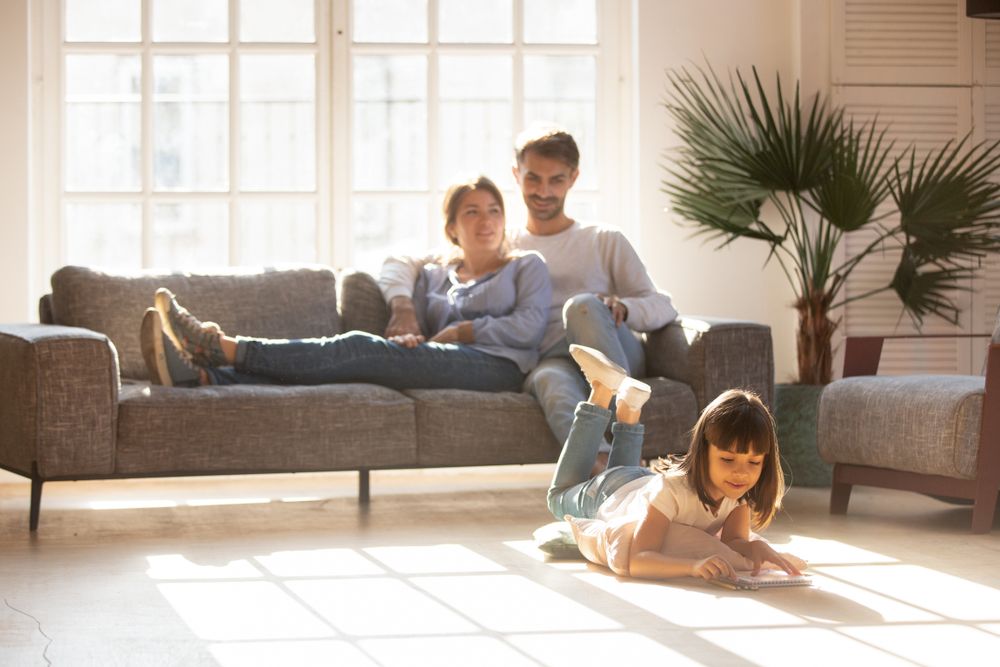
A fixed pane can bring more natural light into the room while keeping the look calm and open.
Review picture windows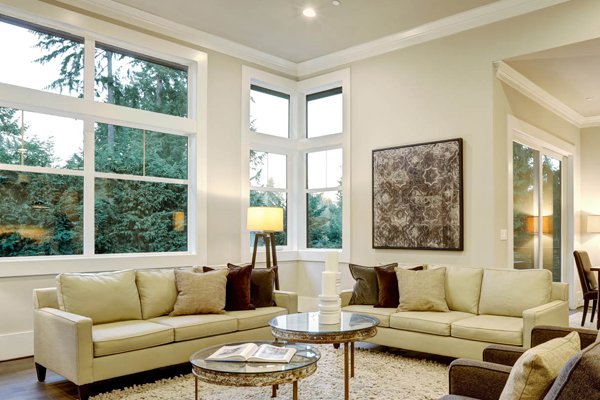
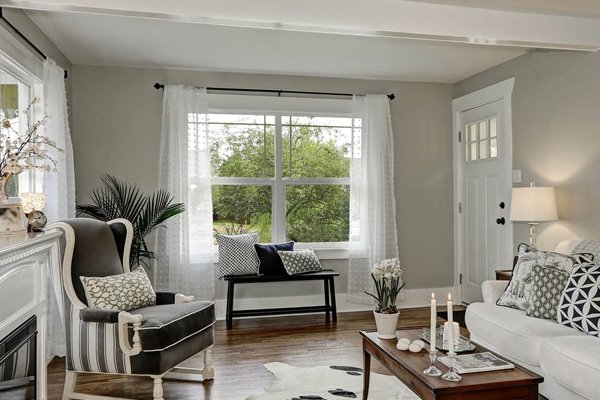
Double-hung side windows can support a more traditional picture-window grouping.
Compare double-hungService areas
Opal helps homeowners in Naperville and nearby Chicagoland suburbs compare picture window replacement, installation scope, companion windows, and room fit. Choose your community to see local window service details.
Related choices
A picture-window choice usually connects to the rest of the home. Once the room points toward fixed glass, the next step is sorting out replacement scope, installation work, material, and companion window styles.
Start here if picture, casement, double-hung, single-hung, sliding, bay, or bow windows could all make sense for the room.
View window typesThis fits when the opening is sound and the new unit can stay close to the current size.
Review replacementThis fits when trim, flashing, siding, framing, or water management needs more attention.
Review installationCompare casements when the fixed center glass needs full opening or side ventilation.
Compare casementCompare double-hung windows when traditional side windows and top-and-bottom ventilation matter.
Compare double-hungCompare bay windows when a fixed pane may become part of a projecting feature window group.
Compare bayCompare sliding windows when a wide opening needs side-to-side operation.
Compare slidingCompare single-hung windows when the project needs a simpler vertical operating style.
Compare single-hungCompare bow windows when the room needs a softer projecting window group.
Compare bowPicture window questions
These answers help narrow the conversation before a site review. The final recommendation still depends on measurements, product selection, and the condition of the opening.
No. Picture windows are fixed windows, so they do not open. That stationary design gives them a clearer view, fewer moving parts, and more of the opening devoted to glass.
Yes. Picture windows can work well in Naperville homes when the room needs a wide view, more natural light, curb appeal, and the window does not need to provide direct ventilation.
Pair the fixed picture window with operable windows nearby, such as casement, double-hung, awning, or sliding units. This keeps the main view open while giving the room a way to bring in air.
A fixed window can support comfort goals because it does not rely on an operating sash. The final result still depends on the frame, glass package, installation method, air sealing, exposure, and condition of the opening.
Neither style is automatically better. Picture windows usually fit clearer fixed views and daylight. Casement windows usually fit rooms where the window itself needs to open for airflow.
Yes. Picture windows can anchor bay, bow, or grouped window layouts when the design calls for a fixed center pane with additional window units around it.
Either can make sense. A single fixed pane may solve one room, but grouped projects often look better when sizing, grille patterns, exterior color, glass package, and companion windows are planned together.
Start with the room, rough window count, preferred style, and whether the project is replacement or fuller installation. Opal confirms measurements before the window is ordered.
Plan the right next step
Opal can review the view, existing frame, material choices, glass package, grilles, trim, companion ventilation, and whether replacement or fuller installation is the better fit.