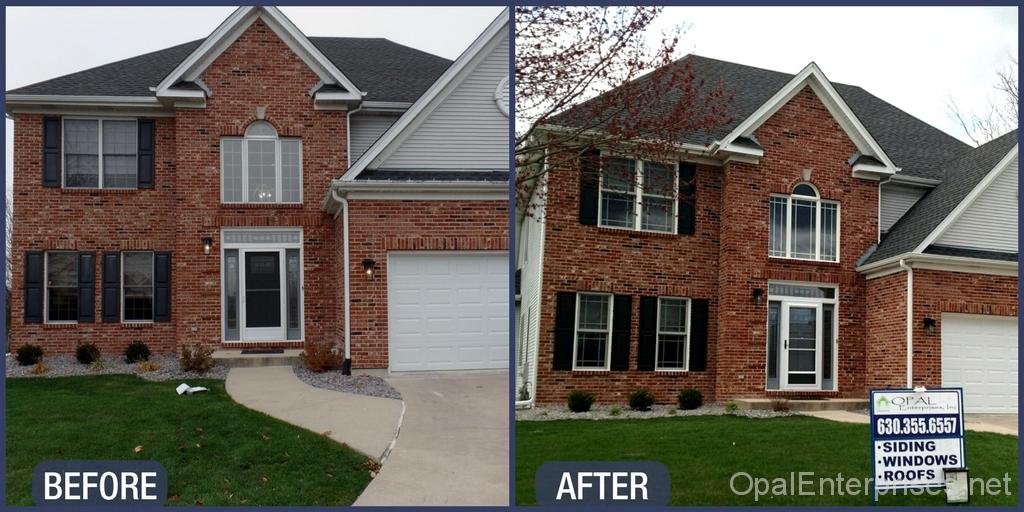
Batavia exterior remodeling
Opal helps Batavia homeowners plan replacement windows, exterior doors, and siding around the details that shape the finished exterior: opening size, trim depth, door movement, siding returns, wall condition, permit categories, and historic appearance review when it applies.
Free quote
Share a few details about your home and project. Opal will follow up with next steps and a scoped estimate.
Start with the exterior
Batavia projects can begin with one failing window, a tired entry door, a patio opening that no longer works, or siding that is ready for replacement. The stronger plan checks the surrounding wall, trim, sill, threshold, casing, and local review items before product choices are finalized.
Clear answer
Opal’s Batavia source page supports replacement windows, exterior door replacement, and siding replacement. A good Batavia exterior plan starts by identifying the part of the home that needs attention, then checking the adjacent opening, wall, trim, sill, threshold, and finish details that will be affected.
That matters locally because Batavia’s One Stop portal lists siding and window/door permit categories, and the city’s historic code can affect exterior work that changes the appearance of a landmark or covered historic district property. The page below keeps product choices, fit, visible proportions, and local review items in one conversation.
Batavia notes
Exterior services
Start with the part of the home that is failing, then review how that choice changes the nearby trim, glass, wall, threshold, siding, and visible exterior details.
Windows
Batavia window work should account for frame condition, custom sizing, sash operation, glass package, screen use, ventilation, casing depth, air sealing, interior trim, and how the new unit meets siding or existing exterior trim.
Double-hungCasementSlidingPictureBay and bowGarden
Doors
Door replacement should review the jamb, sill, threshold, swing or slide operation, weather seal, hardware, glass, privacy, screen use, custom sizing, and the step or landing outside the opening.
Entry doorsPatio doorsSliding doorsStorm doorsFront doorsCustom doors
Siding
Batavia siding planning should compare wall condition, color, profile, James Hardie, fiber cement, vinyl, trim width, soffit, fascia, corner boards, window surrounds, and the returns around each door opening.
James HardieFiber cementVinyl sidingTrimSoffit and fasciaDoor returns
Local planning
Batavia’s One Stop portal gives homeowners a practical place to check applications before exterior work starts. It lists siding, window/door, deck, concrete, and right-of-way categories, which is why an exterior conversation should include more than the visible product.
Questions? Call 847-380-8868 in Des Plaines and 888-676-6725 in Naperville
The building permit application also asks whether the property is located in a historic district or landmark structure and includes checkboxes for siding and window/door work. For exterior construction and additions, the application asks for scope, plan drawings, and a current plat of survey with proposed improvements shown.
City resources
Historic appearance
Batavia’s historic code says a certificate of appropriateness can be required before a building permit when a landmark, historic district property, or covered property has construction, alteration, repair, demolition, relocation, or another material change that produces a major change in exterior appearance.
Learn more about our top-of-the-line products in Naperville 888-676-6725
The review criteria include the proportions and relationships between doors and windows, roof shape, fascia, cornice, scale, architectural details, types of materials, colors, and textures. That is why older Batavia homes deserve a slower conversation about window profiles, door glass, siding exposure, trim width, and visible returns.
Review areas
Custom openings
Opal’s Batavia custom-window resource explains that custom windows are manufactured for specific openings after a contractor collects measurements. That is useful when an older or altered home has openings that do not fit neatly into a standard size.
Custom sizing also opens a practical conversation about operation, frame color, screen type, lock choice, ventilation, cleaning access, and how the new unit looks against trim and siding. The goal is a window that belongs to the room and the exterior at the same time.
What it affects
Before a custom window is ordered, the opening, frame depth, sill, interior finish, exterior trim, ventilation needs, and cleaning access should be reviewed together.
Starting points
Begin with the problem you can feel or see first, then compare the nearby materials and review items that can change the finished result.
Windows
Review frame condition, glass, ventilation, screen use, casing depth, interior finish, exterior trim, and whether custom sizing makes sense for the opening.
Window styles
Compare how each room needs air, light, privacy, cleaning access, furniture clearance, screen use, and exterior proportion before selecting a window style.
Doors
Check jamb condition, sill height, threshold, privacy, glass, hardware, weather seal, screen use, swing or slide path, and the landing outside the opening.
Patio access
Sliding and patio doors should be matched to furniture layout, outdoor grade, screen use, weather exposure, lockset, and how often the opening is used.
Siding
Compare wall condition, vinyl, fiber cement, James Hardie, trim, soffit, fascia, corner boards, window surrounds, and door returns.
Permits
Batavia’s portal separates project types, so exterior work should be checked for the correct category before product lead times and schedules are discussed.
Historic
If a home is covered by Batavia historic review, window and door proportions, siding material, trim, fascia, color, and texture deserve early attention.
Support
Opal support pages help homeowners compare project questions, payment planning, service areas, and whether work should be quoted in one phase or more than one.
Product decisions
The right selection depends on how the room is used, what the opening condition looks like, how the wall is finished, and whether the project affects the street-facing appearance of the home.
Compare material, glass package, operation, ventilation, grids, privacy, cleaning access, casing depth, frame condition, and how each unit lands against siding or trim.
Entry, patio, sliding, storm, and custom doors should be compared by frame condition, glass, privacy, lockset, hardware, sill height, weather seal, screen use, and traffic pattern.
Siding planning should include wall condition, profile, exposure, color, trim width, soffit, fascia, window surrounds, door returns, and how each elevation should finish.
Visible changes should be checked with window and door proportion, fascia, cornice, trim, color, texture, landing depth, step direction, patio pitch, grade, and water movement.
Budget factors
Exterior remodeling costs can shift when the project opens hidden conditions, requires custom sizing, or needs local review before the work can be scheduled.
Openings
Size changes, damaged frames, sill repair, custom units, trim depth, glass packages, hardware, screens, and interior finish can all change the scope.
Walls
Wall condition, old layers, soft wood, soffit, fascia, corner boards, window surrounds, siding returns, and weather barrier details affect the final exterior.
Review
Batavia’s portal lists siding and window/door categories, while the permit application asks whether a property is in a historic district or is a landmark structure.
Sequence
Windows, doors, and siding can be quoted separately or reviewed together when trim, returns, wall protection, color, or exterior appearance should stay coordinated.
Process
Exterior updates are easier to manage when the opening, wall, trim, local review items, and visible finish are reviewed before products are ordered.
Start with drafts, sticking windows, worn siding, door movement, patio flow, exterior appearance, or the area that feels ready for attention.
Review rough openings, trim, siding returns, sill condition, wall surface, threshold, glass, hardware, and nearby drainage or landing details.
Match window style, door operation, siding profile, trim width, glass, color, screens, and visible proportions together.
Check Batavia permit categories, historic district status, building application requirements, and whether exterior appearance review applies.
Protect the home during removal, address hidden conditions, follow product instructions, finish exterior details, and review the completed work.
Batavia resources
These Batavia resources are helpful when a project involves siding, window or door replacement, a historic district or landmark structure, exterior construction, or outdoor access near a door.
Permits
The portal lists siding, window/door, deck, concrete, and right-of-way categories and lets citizens apply, track, and search permits.
Application
The form includes historic district or landmark status, siding, window/door, project scope, plan drawings, and plat details for exterior construction.
Historic
Batavia’s code explains when a certificate of appropriateness can be required before a building permit for covered historic properties.
Criteria
The criteria include proportions of windows and doors, architectural details, materials, colors, textures, fascia, cornice, and scale.
Helpful Opal pages
Open the service page that matches the part of the home you want to improve, then compare nearby exterior surfaces before deciding the final scope.
Start planning
Tell Opal what you want to replace, what is happening around the opening or wall, and whether windows, doors, siding, trim, permits, custom sizing, or historic review should be discussed together.
Homeowner FAQs
Helpful answers for Batavia homeowners comparing replacement windows, exterior doors, siding, custom openings, permits, and historic-review details.
Yes. Opal’s Batavia source page supports replacement windows, exterior door replacement, and siding replacement. The page also links to Opal’s Batavia window and door pages for homeowners who want to compare those choices in more detail.
Start with frame condition, sash movement, glass package, screen use, casing depth, air sealing, interior trim, and the way the exterior return meets siding or existing trim. Custom sizing can matter when an opening does not match a standard unit.
Batavia’s One Stop portal lists a Window/Door application for replacement of windows or doors. Homeowners should confirm the current requirement for their exact scope before work is scheduled.
Batavia’s One Stop portal lists siding as a permit category and says a permit is required for installation, replacement, or modification of siding. The final scope should be checked against the city portal before materials are ordered.
Batavia’s code says a certificate of appropriateness can be required before a building permit when a landmark, historic district property, or covered property has exterior work that produces a major exterior appearance change.
Batavia’s historic criteria include the proportions and relationships between windows and doors, plus materials, colors, textures, roof shape, fascia, cornice, scale, and other exterior details.
Opal’s Batavia door page supports front or entry doors, patio doors, storm doors, sliding doors, and custom doors. Door planning should review frame condition, sill height, swing or slide clearance, glass, hardware, privacy, screens, and the landing outside the opening.

Opal’s Batavia source page supports siding replacement with choices around color, style, material, James Hardie, and fiber cement. Siding planning should also include trim width, soffit, fascia, corner boards, window surrounds, and door returns.
Cost depends on the project type, number of windows or doors, siding area, material selection, custom sizing, trim details, wall condition, hidden repair needs, permit requirements, and whether several exterior updates are planned together.
Yes. A project can start with drafty windows, a worn door, or siding that needs replacement, then plan later work around the same trim, flashing, color, profile, and exterior appearance decisions.
This page is focused on replacement and installation. If the concern is limited to glass, a screen, rollers, weatherstrip, hardware, or a small siding repair, ask Opal before assuming a full replacement is needed.