The hinge matters
It Catches Air Differently
Because the sash swings out from the side, a casement can draw moving air into a room instead of only opening part of a vertical sash.





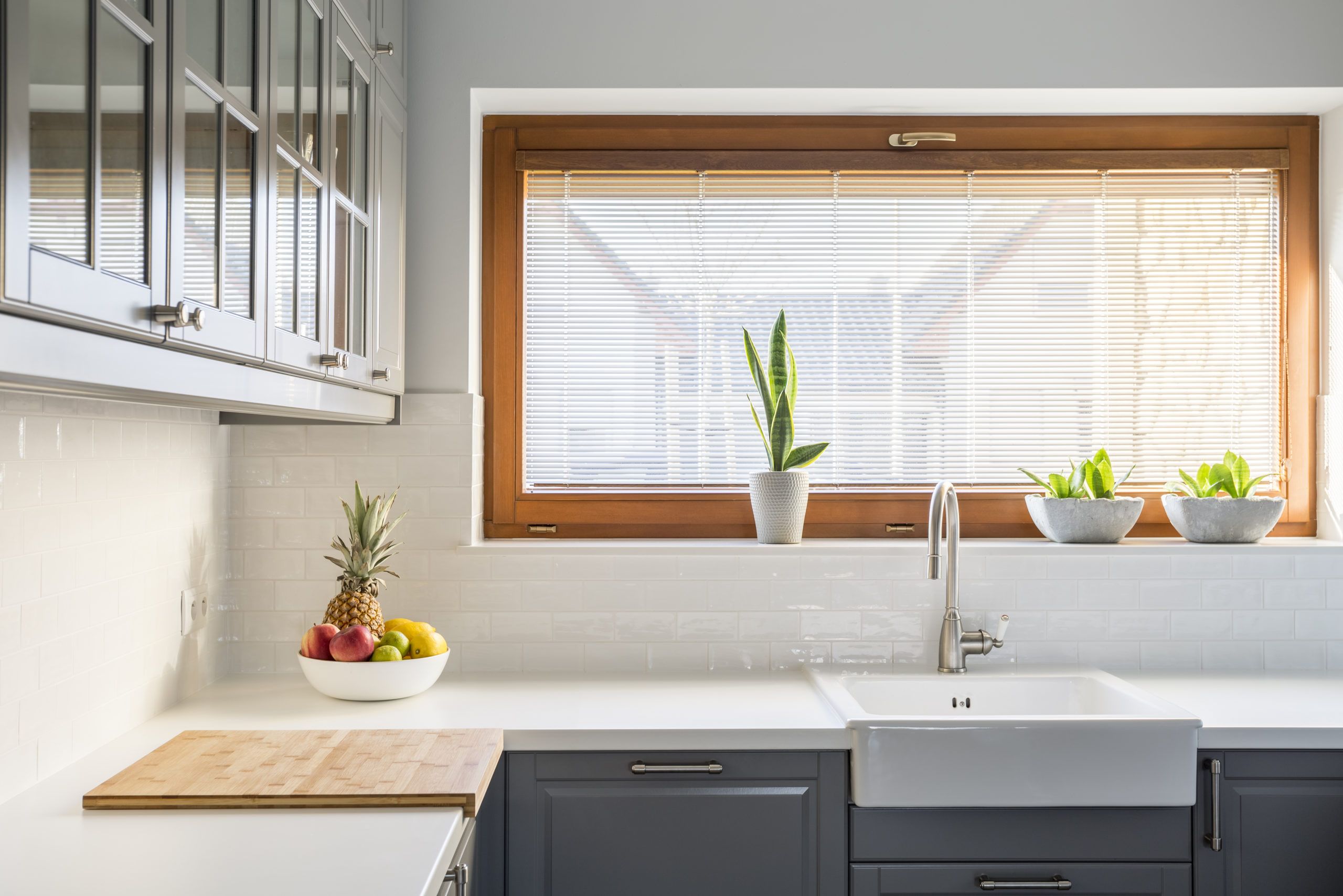
Casement fit check
Casement windows work differently from a hung or sliding window. The sash is hinged on the side, opens outward with a crank, and can bring a wide wash of air through the room when the opening and exterior clearance support it. For Naperville and nearby Chicagoland homes, the real question is whether that operation fits the room, the frame, and the exterior before replacement or installation is quoted.
Why the style endures
Casement windows have been around for a long time because the basic side-hinged idea keeps solving practical room problems: air, light, reach, and the feel of the view.
Early casement windows were side-hinged and opened outward. In many 16th- and 17th-century buildings, wrought iron casements used leaded lights because glass was made in small crown-glass pieces called quarries. Later timber casements stayed common in cottages, farmhouses, and barns even as sash windows became popular. For today's homeowner, the useful part is the same side-hinged format: it can open wide for air, protect more of the view than many divided styles, and be specified with the right glass, screen, hardware, and frame package for the room.
The hinge matters
Because the sash swings out from the side, a casement can draw moving air into a room instead of only opening part of a vertical sash.
The glass feels calmer
Casements can be specified for wide glass views, which can help a view wall or kitchen sink feel less interrupted.
The hardware decides comfort
A casement is only pleasant if the crank, lock, screen, and sash alignment are right for the room and easy to use over time.
Rooms where the style fits
Casement placements usually have a clear reason. The room may need air, reach, view, privacy, or a mixed layout that a double-hung or slider does not solve as cleanly.
Kitchens
A crank can be easier to use when the window sits behind a sink, counter, or cabinet run. The sill height, faucet clearance, and screen access should be checked before ordering.
Bedrooms
Casements can help bedrooms that need strong ventilation or egress discussion, but the clear opening and local requirements need review before the style is assumed to work.
View walls
Casements can sit beside picture windows or other fixed glass when a room needs both daylight and an operable unit that does not interrupt the view as much.
Bathrooms
A smaller casement, higher placement, privacy glass, or grille pattern can help a bathroom ventilate while still respecting sightlines from outside.
Exposed rooms
Casements close against the frame, which is why they often enter the conversation when an operable window needs a tighter feel in windy or cold conditions.
Tight exterior spots
Casements are not the answer everywhere. Patios, shrubs, walkways, decks, and narrow side yards can make the outward swing awkward or impractical.
Style comparison
Casement windows have a clear job, but they are not a default answer. This is the fast way to compare them with the styles homeowners usually consider next.
| Style | Where casement can win | Where the other style can win | What to compare next |
|---|---|---|---|
| Double-hung | Wider ventilation, cleaner glass, and easier reach from behind a counter | Traditional vertical proportions, familiar operation, and upper-floor cleaning expectations | Double-hung windows |
| Awning | Side-hinged opening can move more air through a taller room opening | Top-hinged operation can work better for higher placements or privacy-focused rooms | Awning windows |
| Sliding | Crank operation and sash compression can fit rooms where a glide track is not ideal | Horizontal sliders can be simpler for wide openings with limited outward clearance | Sliding windows |
| Picture | Casement gives the room fresh air while keeping a clean glass feel | Fixed glass can maximize daylight and view when ventilation is handled elsewhere | Picture windows |
Frame, glass, screen, and hardware
Once the room points toward a casement, the important choices become material, glass, color, grille pattern, crank hardware, screen setup, and the performance label for the climate.
| Decision | What to review | Why it changes the recommendation |
|---|---|---|
| Frame material | Vinyl, fiberglass, composite, wood, or clad options, depending on current product availability | Material affects sightlines, maintenance, finish options, frame depth, and how the window belongs with the trim. |
| Glass package | ENERGY STAR climate-zone label and NFRC values such as U-factor, SHGC, visible transmittance, condensation resistance, and air leakage | The glass package affects heat loss, sun exposure, daylight, comfort near the window, and winter condensation risk. |
| Screen and crank | Interior screen style, crank reach, lock location, hardware finish, and cleaning access | A casement can be technically right and still annoying if the hardware does not fit how the room is used. |
| Grilles and color | Grille pattern, divided-light look, interior color, exterior color, and neighboring window styles | Casements can feel traditional or modern depending on the details. The elevation should look intentional after installation. |
Andersen
Andersen casement options can be reviewed when the project needs recognizable product lines, coordinated window styles, and material choices that fit the rest of the home.
View Andersen windowsKolbe
Kolbe casement options can make sense when interior finish, color, profile, or architectural detail is part of the decision. Current options should be confirmed during the consultation.
View Kolbe windowsMaterial route
Window type and material should be selected together, especially when multiple openings need to match from the street or when siding and trim work are involved.
Compare window typesReplacement or installation
Two homes can ask for casement windows and need very different work. The existing frame, sill, exterior trim, flashing, siding transitions, and interior finish decide how much of the opening should be disturbed.
Replacement path
This can make sense when the existing frame and surrounding conditions are sound, the size is staying close, and the work is focused on the window unit.
Window replacementInstallation path
This route fits projects that involve a new size, a changed opening, damaged framing, exterior finish work, or a remodel that touches more than the sash.
Window installationCombination path
A casement may sit beside fixed glass, below an awning, or within a larger grouping. The layout should solve the room and keep the exterior balanced.
Window type guideProduct path
Product line, material, glass package, grille detail, hardware, and current availability should be confirmed before the quote is treated as final.
Window servicesPlanning the work
The process should make the recommendation clearer, not bigger than it needs to be. The point is to understand the opening before choosing the unit.
Step 01
Opal looks at the room use, ventilation need, view, privacy, exterior clearance, and how the window will sit with nearby siding and trim.
Step 02
The frame, sill, water path, trim depth, and surrounding wall condition help decide whether replacement or fuller installation work is the better route.
Step 03
The casement style is reviewed with material, glass, screen, grille, hardware, color, and neighboring window styles before measurements are finalized.
Step 04
Casements need careful sizing so the sash aligns, the crank works smoothly, and the finished reveal looks controlled inside and outside.
Step 05
Installation focuses on square placement, fastening, shimming, manufacturer instructions, insulation, exterior sealing, and water-management details.
Step 06
The sash, crank, lock, screen, trim, reveal lines, and cleanup should be checked before the project is considered finished.
Quote factors
A casement quote changes with the window and the opening. The right estimate should make the scope clear enough that the homeowner can compare choices without guessing what is included.
Look and layout
The style itself is flexible. The finished character comes from the glass size, grille pattern, frame color, hardware, neighboring window types, and how the trim meets the exterior.
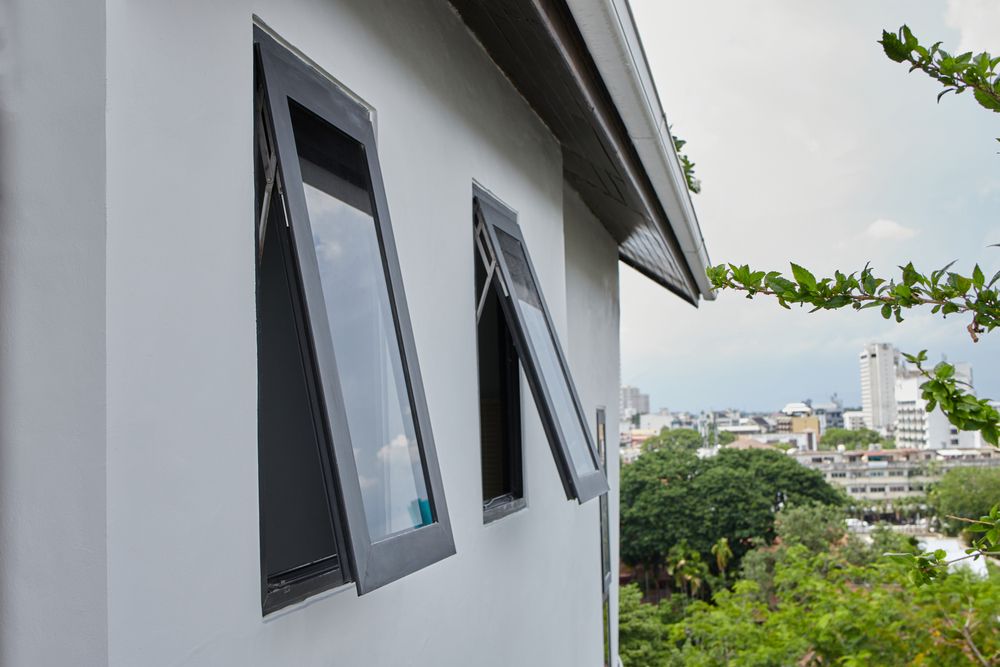
Use casements when the room needs fresh air, cleaner sightlines, and an operable unit that feels intentional from the outside.
Review casement windows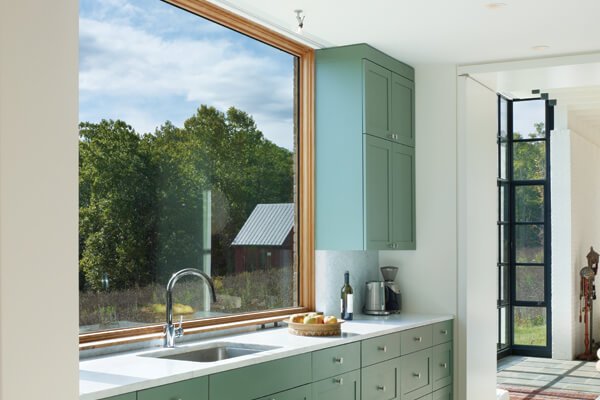
Pair fixed glass with casements when the room needs a larger view and nearby ventilation without breaking up the whole wall.
Compare picture windows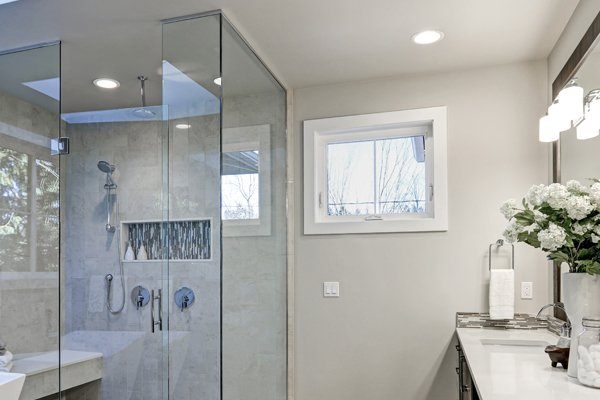
Compare awnings when the room needs higher placement, privacy, or a top-hinged sash instead of a side-hinged one.
Compare awning windowsNearby service
Opal serves Naperville and nearby suburbs through local casement-window planning routes. Use the location closest to the project to move from general style guidance into the practical review: exterior swing clearance, opening condition, trim or siding transitions, glass exposure, and whether the work belongs on the replacement or installation path.
For Naperville homeowners starting from Opal's main local service route before choosing replacement or installation.
View NapervilleFor Des Plaines homeowners comparing crank-out casements with other operable styles before a quote.
View Des PlainesFor Downers Grove projects where opening condition, exterior clearance, and room ventilation need to be reviewed together.
View Downers GroveFor Elmhurst homes where casement size, grille pattern, color, and exterior trim need to fit the elevation.
View ElmhurstFor Fox Valley projects that may involve grouped windows, picture-window pairings, or several openings using the same package.
View Fox ValleyFor Geneva homeowners who need a local casement route for side-hinged operation, glass package, and installation scope.
View GenevaRelated choices
A casement choice usually connects to the rest of the window plan. Once the room points toward this style, the next step is sorting out replacement scope, installation work, and nearby window styles.
Start here if a double-hung, slider, picture, awning, or casement could all make sense for the room.
View window typesThis path fits when the opening is sound and the new unit can stay close to the current size.
Review replacementThis path fits when trim, flashing, siding, framing, or the water path needs more attention.
Review installationCompare double-hung windows when traditional proportions and vertical sash operation are still in play.
Compare double-hungCompare picture windows when the room needs more glass, a stronger view, or a fixed center unit.
Compare picture windowsCompare awning windows when a top-hinged sash may work better for privacy, height, or a smaller opening.
Compare awningsCasement window questions
These answers are meant to narrow the conversation before a site review, not replace the measurements and opening check that decide the final recommendation.
Casement windows can be a good fit when a room needs strong ventilation, a cleaner glass view, and a sash that closes firmly against the frame. Exterior clearance, frame condition, screen preferences, and glass package still need review.
A casement can be a strong efficiency choice because the sash closes against the frame, but performance depends on the full unit, glass package, installation method, and air-sealing work around the opening.
They often work well over kitchen sinks, on bedroom walls that need ventilation, beside picture windows, in bathrooms with privacy planning, and in rooms where a crank is easier than lifting a sash.
They may be part of an egress plan, but opening size, clear opening, sill height, room use, and local requirements need to be checked before anyone assumes the window will qualify.
Most operable casement windows use interior screens because the sash opens outward. Screen type, visibility, hardware access, and cleaning should be reviewed during product selection.
Casements need exterior swing clearance, dependable crank hardware, and careful alignment. They may not be ideal near tight patios, walkways, shrubs, or places where the open sash gets in the way.
Yes. Replacement may keep more of the existing opening when the frame is sound. Installation can involve more work around trim, flashing, siding, framing, or interior finish when the opening changes.
It depends on the surrounding openings, exterior balance, product match, and whether several windows should share the same package. A site review can show whether one opening can be handled on its own or should be planned with nearby units.
Plan the right next step
Opal can review the room, swing clearance, existing frame, material choices, glass package, and whether replacement or fuller installation is the better route.