

Two moving sashes

It Gives Flexible Airflow
Opening the lower sash, upper sash, or both lets the room get air without changing the familiar vertical look of the window.




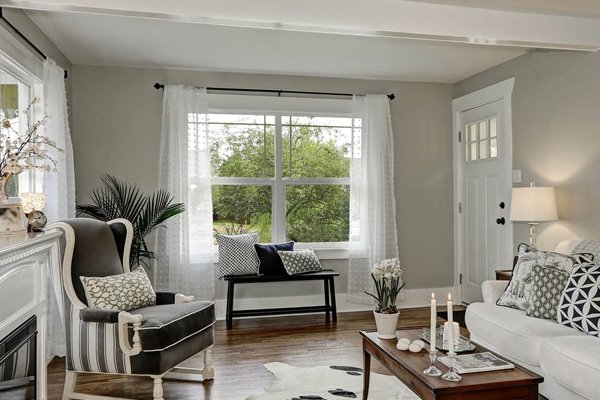
Double-hung fit check
Double-hung windows are built around two vertically sliding sashes. The lower sash, upper sash, or both can open, which gives the room familiar operation, flexible ventilation, and a classic exterior rhythm.
Why the style lasts
A double-hung window solves a simple household problem: two glass sashes can move up and down inside the wall opening without swinging into the room or the yard.
The double-hung form is built around a simple idea: two sashes slide vertically in the frame, giving a room ventilation without a window swinging into the room or yard. The National Park Service's preservation guidance identifies the familiar parts of a wood double-hung window, including the sash, meeting rail, sash cords, and weights. For today's homeowner, the useful takeaway is practical: keep the vertical proportions, grille pattern, trim relationships, and sash operation in view before choosing a replacement product. If the home has original historic wood windows, the existing windows should be evaluated for repair or character-sensitive replacement before the order is built.
Two moving sashes
Opening the lower sash, upper sash, or both lets the room get air without changing the familiar vertical look of the window.
No outward swing
Because the sash moves vertically, the open window does not project into a walkway, planting bed, patio, deck, or narrow side yard.
Interior access
Many double-hung products offer tilt-in sash features, which can matter on upper floors or rooms where exterior glass is hard to reach.
Rooms where the style fits
Double-hung placements usually have a clear reason. The home may need a familiar window rhythm, easier cleaning from inside, flexible ventilation, or an operable style that stays inside the wall plane.
Bedrooms
Double-hung windows fit the familiar bedroom layout and give the room airflow from the lower sash, upper sash, or both.
Second floors
Tilt-in sash options can make routine cleaning easier from inside, which is especially useful where outside access is limited.
Front elevations
The vertical shape can work well on street-facing rooms where exterior symmetry, grille pattern, and trim depth matter.
Living rooms and offices
Double-hung units can add daylight and ventilation without forcing the home into a more modern or projecting window style.
Walkways and patios
Because the sash does not swing outward, double-hung windows can avoid conflicts with paths, decks, landscaping, and tight side yards.
Grouped openings
Several double-hung units can be planned together for consistent sightlines, grilles, screens, exterior color, and operation.
Style comparison
Double-hung windows belong in many rooms, but the style is not automatic. The useful comparison looks at airflow, cleaning, exterior clearance, view, seal, and architectural fit.
| Compared to | Where double-hung helps | Tradeoff to discuss | What to compare next |
|---|---|---|---|
| Casement | Traditional proportions, tilt-in cleaning, upper-sash airflow, and no outward swing | Casement can offer a wider opening, crank operation, and a tighter operating seal | Casement windows |
| Single-hung | Both sashes operate, and many products offer more cleaning flexibility | Single-hung can be simpler when only the lower sash needs to move | Single-hung windows |
| Sliding | Classic vertical lines and ventilation from the top, bottom, or both | Sliding windows can fit wider horizontal openings more naturally | Sliding windows |
| Picture | Ventilation, screens, and familiar operation | Picture windows can maximize glass area when the room does not need the window to open | Picture windows |
Material, glass, grilles, and screens
Start by deciding whether double-hung operation fits the room, elevation, and existing opening. From there, Opal can compare frame material, glass package, grille pattern, screens, color, and hardware against the way the window will actually be used.
| Material | Where it can make sense | What to compare | Next page |
|---|---|---|---|
| Vinyl | Straightforward replacement planning, low-maintenance needs, and clean everyday operation | Frame profile, color range, glass package, and installation method | Vinyl windows |
| Fiberglass | Projects where frame strength, finish stability, and profile matter to the overall window plan | Profile, finish options, glass performance, and total installed scope | Fiberglass windows |
| Composite | Homeowners comparing durability, frame profile, and maintenance expectations | Color, construction, glass options, warranty terms, and current product availability | Composite windows |
| Wood | Homes where interior finish, warmth, and traditional detail are part of the decision | Interior finish, exterior cladding, maintenance expectations, and trim relationships | Wood windows |
Grilles
Double-hung windows often sit on visible elevations, so grille pattern and sightlines should be decided before the order is built.
Screens
Screen type, color, visibility, storage, and cleaning access should fit how the room is actually used.
Locks and tilt latches
Upper sash, lower sash, locks, balances, tilt latches, and screens should all be checked before the project wraps.
Brands and install details
Once the room points toward double-hung, Opal can narrow series, material, color, grille, screen, hardware, and glass choices against the opening and exterior.
Product line
Use Andersen planning when finish, color, series, and design flexibility are part of the conversation.
View AndersenProduct line
Ask Opal about Kolbe and Forgent options when the project needs more than a basic replacement window.
View KolbeMaterial choice
Vinyl, fiberglass, composite, and wood choices should be compared after the room use, color goals, and maintenance expectations are clear.
Compare materialsOlder homes
For older homes where lead-safe work may matter, Opal can account for removal and handling during the window installation plan.
Final check
Upper sash, lower sash, locks, tilt latches, screens, trim, cleanup, and homeowner care should be confirmed before the project is complete.
Replacement or installation
A double-hung project may be a straightforward replacement, or it may involve more of the wall. The frame, sill, exterior trim, flashing, siding transitions, and interior finish decide how much of the opening should be disturbed.
Replacement
This can make sense when an aging double-hung unit is being swapped for a new unit in a sound existing opening.
Window replacementInstallation
This fits projects with a changed size, damaged framing, fuller trim work, siding coordination, or a larger remodel.
Window installationStyle choice
Compare double-hung with casement, sliding, picture, awning, and single-hung options before locking in the style.
Window type guideProduct details
Series, material, glass package, grilles, screens, color, hardware, and current availability should be confirmed before ordering.
Window servicesPlanning the work
Double-hung installation depends on accurate measurement, square placement, clean weather sealing, and operation checks. The goal is a window that looks familiar from the outside and works cleanly inside the room.
Step 01
Opal reviews room use, floor level, exterior exposure, grille pattern, nearby windows, and whether the sash style fits the elevation.
Step 02
The frame, sill, water management, trim depth, and surrounding wall condition help decide whether replacement or fuller installation work is the better fit.
Step 03
The double-hung style is reviewed with material, glass, grilles, screen type, color, locks, tilt features, and nearby window styles.
Step 04
Precise measurements protect sash movement, reveal lines, screen fit, and the final interior and exterior finish.
Step 05
The unit is set, fastened, insulated, flashed, and sealed so weather protection and sash operation work together.
Step 06
Upper sash, lower sash, locks, tilt latches, screens, trim, reveal lines, cleanup, and care details should be checked before completion.
Quote factors
A double-hung quote should reflect the product, the opening, and the way the room is used. Smooth sash movement, locks, tilt latches, screens, weatherstripping, trim, and glass package all affect the project conversation.
Look and layout
A well-planned double-hung window should feel familiar from the street and better inside the room: easier ventilation, smoother operation, better cleaning access, and finish details that belong with the home.

Use double-hung windows when the home needs familiar proportions, usable ventilation, and a window that does not swing outward.
Review double-hungTwo movable sashes can suit bedrooms, living rooms, second floors, and front elevations where balanced lines matter.
Compare styles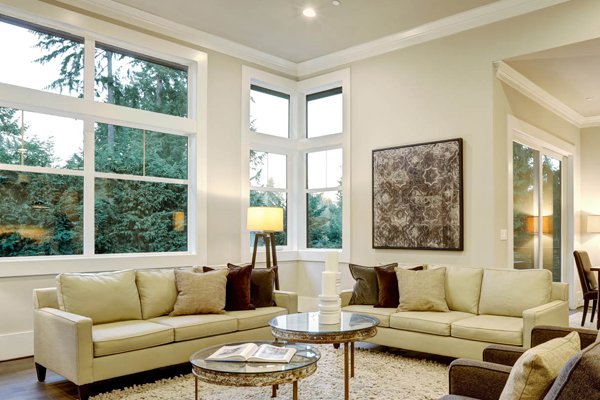
Compare casements when wide opening, crank operation, exterior clearance, or a cleaner glass view changes the recommendation.
Compare casementService areas
Opal works from its Naperville showroom across the western, northern, northwest, and southwest suburbs. Choose the closest community below to start a scoped double-hung window review.
Related choices
A double-hung choice usually connects to the rest of the window plan. Once the room points toward this style, the next step is sorting out replacement scope, installation work, material, and nearby window styles.
Start here if a double-hung, single-hung, casement, slider, picture, or awning could all make sense for the room.
View window typesThis fits when the opening is sound and the new unit can stay close to the current size.
Review replacementThis fits when trim, flashing, siding, framing, or water management needs more attention.
Review installationCompare casements when wide opening, crank operation, or a cleaner glass view may be more important.
Compare casementCompare single-hung windows when only the lower sash needs to move and the project can stay simpler.
Compare single-hungCompare picture windows when the room needs more glass, a stronger view, or a fixed center unit.
Compare picture windowsDouble-hung window questions
These answers narrow the conversation before a site review, but the final recommendation still depends on measurements, product selection, and the condition of the opening.
They make sense when the project needs a familiar vertical style, top-and-bottom ventilation, interior cleaning access, and no outward swing into landscaping, walkways, or patios.
A double-hung window has two movable sashes. A single-hung window usually has a fixed upper sash and a lower sash that moves.
Yes, the double-hung style is defined by an upper sash and a lower sash that can both move. Tilt features, locks, and screens vary by series.
They can be energy efficient when the unit, glass package, weatherstripping, installation method, and air sealing are selected well.
Many double-hung products have tilt-in sashes so both sides of the glass can be cleaned from inside. Confirm that feature with the selected series.
They solve different problems. Double-hung windows fit traditional proportions, top-and-bottom airflow, interior cleaning, and tight exterior spaces. Casements can fit wide-opening or crank-operation needs.
A double-hung opening can sometimes be planned around a seasonal window AC unit, but the product, opening size, weight, support, and manufacturer guidance need review.
Either can make sense. One problem opening may be replaced by itself, but grouped windows often look and perform better when sizing, grille patterns, exterior color, glass package, and screen choices are planned together.
Start with the room, rough window count, preferred style, and whether the project is replacement or fuller installation. Exact measurements come later in the process.
Yes. Replacement may keep more of the existing opening when the frame is sound. Installation can involve more work around trim, flashing, siding, framing, or interior finish.
Plan the right next step
Opal can review the room, sash operation, existing frame, material choices, glass package, grilles, screens, and whether replacement or fuller installation is the better route.